What Happens If Foundation Problems Are Not Fixed?
A tiny crack in the basement wall might not seem like a big deal. Maybe a door sticks here and there, or the floor feels a little uneven. These problems might be easy to shrug off. The truth is, those small signs can point to deeper foundation issues hiding beneath your home. Left unaddressed, they might lead to serious structural damage, putting your property and everything inside at risk. Catching problems early keeps your home safe, your stress low, and your wallet a lot happier.
What If I Don’t Fix My Foundation Problems?
Foundation problems rarely stay small. What starts as a hairline crack or minor settling can slowly worsen as your home shifts with the ground beneath it.
Over time, changes in soil moisture from heavy rain, drought, or poor drainage cause the soil to expand and contract. Each cycle adds stress to the foundation, turning small flaws into serious structural issues.
A tiny crack may widen over a few seasons, letting water seep in after every storm. That moisture weakens concrete, leading to wall movement, uneven floors, or sticking doors.
The longer the damage goes unchecked, the more it spreads. Consequently, the more costly the repairs become. Like any part of your home, your foundation needs regular attention to stay strong and protect the structure above it.
Structural Consequences of Unrepaired Damage
When foundation problems go unrepaired, the effects don’t stay hidden for long. As the base of your home shifts, the movement ripples upward and starts showing in everyday places you can see and feel.
You might notice cracks spreading across walls or ceilings as the structure struggles to stay level. Doors and windows can begin to stick or refuse to close properly because their frames are no longer square. Floors may start to slope or feel uneven underfoot, signifying that key support beams are under stress.
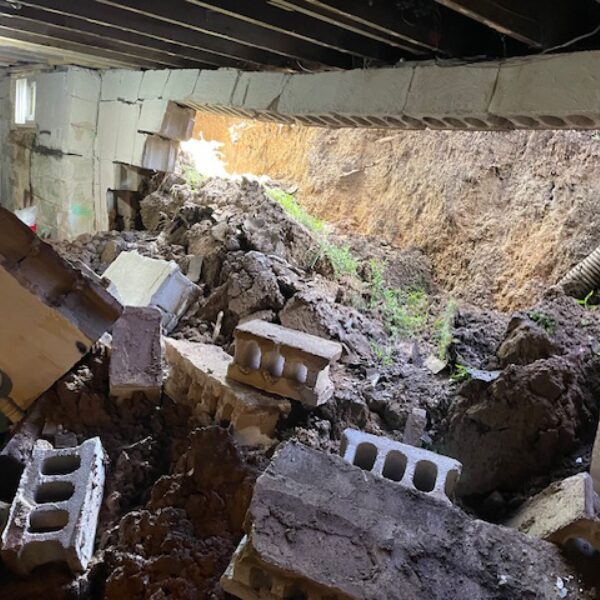
In the most severe cases, that same stress can compromise the home’s stability, putting the entire structure at risk of partial collapse. Taking action early prevents these small frustrations from turning into dangerous, costly damage.
Moisture and Mold Problems
Water is one of the biggest threats to a home with foundation issues. When cracks go unsealed, they create easy pathways for moisture to seep into basements and crawl spaces. Even a small leak can lead to damp conditions that linger long after a heavy rain.
Over time, that trapped moisture raises humidity levels, creating the ideal environment for mold to grow. Mold can severely damage materials, such as wood and drywall. It can also affect indoor air quality and aggravate allergies or respiratory problems. Therefore, addressing foundation cracks early helps keep your home dry, healthy, and comfortable year-round.
Impact on Home Value and Insurance
Foundation problems also take a toll on its value. Buyers and appraisers view unresolved foundation issues as a serious red flag, often leading to lowball offers or difficulty securing financing.
Even if you’re not planning to sell soon, existing problems can make refinancing harder. Leaving foundation problems unaddressed decreases your home’s overall equity.
Insurance can also become tricky when foundation damage is ignored. Many policies won’t cover repairs if the damage results from neglect or lack of maintenance.
That means waiting too long can leave you with both a bigger repair bill and less support from your insurer. Taking care of foundation issues early protects not only your home but also your financial peace of mind.
Rising Repair Costs Over Time
When it comes to foundation problems, time is money…literally. Minor issues like small cracks or slight settling can often be handled with simple, affordable fixes such as crack sealing or installing carbon fiber.
However, if those same problems are ignored, the damage continues to spread. With time, repairs become far more complex.
A simple crack repair that might cost a few hundred dollars today could turn into a major project requiring foundation repairs, replacement or even partial rebuilding later. These types of projects could easily run into the tens of thousands.
The longer the foundation shifts, the more surrounding structures are affected. From floors and framing to plumbing lines, all parts of the home’s skeleton can become impacted. Acting early not only saves money but also spares you the stress of major construction down the road.
Safety and Livability Concerns
A home is only as safe as the structure beneath it. When the foundation starts to shift, the rest of the house feels the effects. Floors that once felt solid may start to slope, and everyday movement can begin to feel uneven or unsettled.
Uneven floors aren’t just a cosmetic issue. They can create trip hazards for children, older adults, or anyone moving around the home.
Cracks in walls and ceilings often point to ongoing stress below the surface. Over time, those shifts can cause walls to bow or supports to lean, making parts of the home unsafe to use. A strong foundation helps keep your space stable, comfortable, and secure.
Water intrusion adds another layer of concern. Persistent leaks weaken materials, damage belongings, and contribute to mold growth, creating health risks for your family. What starts as a nuisance can quickly become a serious safety issue. Fixing foundation problems promptly helps protect both your home’s stability and your family’s peace of mind.
When to Call a Professional to Fix Your Foundation
Knowing when to call a foundation professional can make all the difference. If you notice cracks spreading in walls, doors or windows that suddenly stick, or floors that start to slope, it’s time for an expert evaluation.
Other warning signs include gaps around window frames. Check for water pooling near your foundation or musty smells in the basement or crawl space. These can be signs of issues coming ahead.
A licensed foundation or structural specialist can pinpoint the cause of the problem and recommend the right repair before it worsens. Even if the issue seems minor, getting an inspection early helps you stay ahead of potential damage and protect your home’s long-term stability.
Don’t Wait to Fix Foundation Problems
Foundation damage rarely gets better on its own—and the longer you wait, the bigger the risk to your home’s safety and value. Addressing issues early not only saves money on repairs but also keeps your home stable, dry, and secure for the long haul. Whether you’ve noticed a few small cracks or more obvious signs of movement, it’s best not to ignore them.
A tiny crack in the basement wall might not seem like a big deal. Maybe a door sticks here and there, or the floor feels a little uneven. These problems might be easy to shrug off. The truth is, those small signs can point to deeper foundation issues hiding beneath your home.Schedule a professional inspection and get expert guidance before minor problems turn into major repairs. Contact our team at Stratum Structural Systems today!