Foundation Services in Central Missouri

A small crack in a basement wall, water after a heavy Central Missouri rain, or a door that suddenly will not close can leave any homeowner wondering what is happening beneath their home. These issues may seem minor at first, but they can also be early signs of foundation issues that deserve professional attention. From Columbia and Jefferson City to communities throughout Central Missouri, Stratum Structural Systems helps homeowners understand the cause of these problems. Every home, soil condition, and foundation issue is different, which is why a thorough inspection should come before any repair recommendation. Our team at Stratum can help identify a solution that fits your home.
Why Central Missouri Homes Face Unique Challenges
Central Missouri offers beautiful river valleys, rolling hills, and historic neighborhoods. But the same awe-inspiring traits that make the Show Me State a showstealer can also severely impact your home’s foundation.
From Columbia and Jefferson City to the surrounding Mid-Missouri communities, our property and the land it sits on both have unique needs. Soil conditions, groundwater, terrain, and a home’s age can all influence how a foundation performs. That means two homes only a few miles apart may experience very different issues after the same rainy season or when the temperature swings to the 100 degree mark!
Along the Missouri River valley, clay-heavy soil can expand when it absorbs moisture and shrink again during dry periods. Over time, that ongoing movement can put pressure on foundation walls or affect the support beneath a home.
In areas nearer the Ozark borderlands, karst terrain and fractured limestone can make groundwater movement harder to predict. It’s even trickier where underground drainage paths, springs, or sinkhole-related conditions are present.
Terrain also plays an important role. On sloped properties, rainwater may naturally move toward the home instead of away from it, increasing moisture pressure around basement walls.
Older homes in Columbia, Jefferson City, Boonville, and Moberly may need a more specialized assessment. Limestone or block foundations can be affected by years of settlement and exposure to moisture. Seasonal freeze-thaw cycles can add to the issue, allowing water in existing cracks to freeze, expand, and gradually worsen the damage.
The right repair depends on what is actually causing the movement, cracking, or water intrusion, not simply on the symptom you can see. That’s why it’s so crucial to have a professional with a trained eye for land and property nuances to help you assess the situation.
Signs You May Need Foundation Repair
Foundation problems do not always begin with a dramatic shift or obvious damage. More often, the first signs are small changes around the home that can be easy to overlook. You may notice a door that suddenly sticks, a floor that feels slightly uneven, or a crack that appears to be getting longer over time.
It is also important to pay attention to the pattern and location of cracks. Horizontal cracks, stair-step cracks in masonry, or cracks that continue to widen may indicate movement beneath or around the home. Gaps around interior trim, cabinets, or exterior brick can be another sign that parts of the structure are shifting.
In the basement, walls that bow, lean, or rotate inward may point to pressure from surrounding soil or water. These signs do not automatically mean major structural work is needed, but they are worth evaluating. A professional inspection can help identify the cause of the change and determine whether repair, monitoring, or another solution is the right next step.
Foundation Repair Solutions
Seeing signs of foundation movement can feel overwhelming, but it doesn’t necessarily mean the worst-case scenario. Many foundation concerns can be stabilized with proven repair methods when they are identified early and matched to the actual cause of the problem. A professional inspection helps determine whether the issue involves settlement, soil pressure, wall movement, or another condition.
This due diligence ensures that the solution fits the home rather than simply treating the visible symptom. From deep-support systems to wall-reinforcement options, experienced foundation specialists can explain the recommended approach and what to expect at every step.
Steel Push Piers
Steel push piers are deep steel supports installed beneath a settling foundation. They transfer the home’s weight from unstable upper soil to more stable load-bearing soil or bedrock, helping stabilize the affected portion of the home.
Where conditions allow, steel push piers may also help lift the foundation closer to its original position. They are often considered when settlement has contributed to cracks, uneven floors, or doors and windows that no longer operate properly.
Helical Piers
Helical piers are steel supports with screw-like plates that are rotated into the ground until they reach soil capable of supporting the required load. They can provide targeted support for foundations in appropriate soil and structural conditions, including situations where installation cannot rely solely on the home’s weight. Like push piers, helical piers help transfer structural loads to deeper, more stable ground.
Tie-back Wall Anchors
Wall anchors are designed to address bowing, leaning, or inward movement of basement walls caused by lateral pressure from surrounding wet soil. They can stabilize the affected foundation to prevent future inward movement and if addressed properly, they can allow for the complete correction of the bowing wall!
Carbon-Fiber Reinforcement
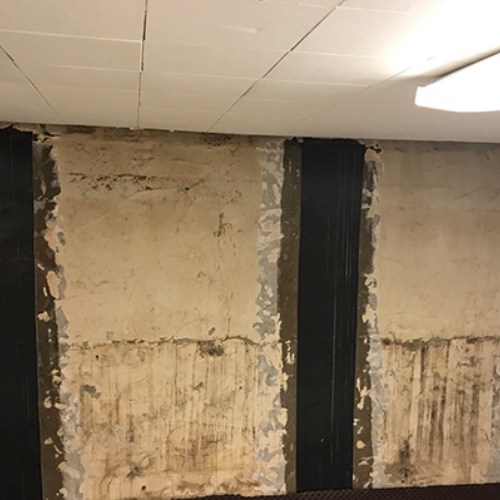
Carbon-fiber reinforcement uses strong, low-profile strips bonded directly to an interior foundation wall to reinforce areas with certain cracks or limited inward movement. It can help stabilize the wall and reduce the risk of continued movement in suitable cases, without the need for more extensive excavation. Since it is not the right solution for every type or severity of wall damage, a professional assessment is essential before choosing this option.
Keeping Water Out of Your Basement
A dry basement protects your belongings, foundation, and home’s long-term usability. Water intrusion can make this your storage or living space damp and uncomfortable. It can also contribute to mold and mildew concerns and worsen existing cracks or masonry damage. Waterproofing helps prevent future moisture problems while addressing current leaks and seepage before they become more serious.
Signs of basement water intrusion include:
- Damp basement walls or floors, even when there is no visible standing water
- Water seepage after heavy rain or snowmelt
- Musty odors or humidity that does not seem to go away
- White, chalky mineral deposits on concrete or masonry, known as efflorescence
- Water collecting along the edges of basement floors or where walls and floors meet
These symptoms do not always mean a major waterproofing project is necessary, but they are worth investigating. Efflorescence, musty odors, and recurring dampness can indicate that moisture is moving through or around the foundation, even when a basement has not flooded.
The next step is determining where the water is coming from and how it is reaching the basement. A professional evaluation can identify whether drainage, groundwater pressure, cracks, or other conditions are contributing to the issue. From there, the right basement waterproofing solution can be selected to manage water, relieve pressure, and help keep the space dry over the long term.
Basement Waterproofing Solutions
There is no single waterproofing fix that works for every basement. The right approach depends on where water is coming from, how it is moving around the foundation, and whether the goal is to stop water before it reaches the home or manage it safely once it does. A professional inspection can identify the source of the issue and recommend a solution designed for the property’s drainage, foundation, and moisture conditions.
Interior Drainage Systems
Interior drainage systems are installed along the inside perimeter of a basement to collect water that enters near the walls or floor. The system directs that water into a designated drainage path rather than allowing it to pool on the basement floor. In many cases, the collected water is routed to a sump pit and pump for removal from the home.
Exterior Waterproofing
Exterior waterproofing focuses on managing water before it reaches the foundation wall. This approach may involve excavating around the home, applying a protective waterproof barrier to the exterior foundation, and improving drainage around the structure. It can be especially useful when water is saturating the soil outside the foundation, creating recurring seepage issues.
Sump Pump Installation
A sump pump is installed in a basin at the lowest point of the basement or drainage system. When water collects in the pit, the pump activates and moves it away from the home through a discharge line. It is often an important part of a broader interior drainage system, helping prevent collected groundwater from backing up or flooding the basement.
Foundation Crack Repair in Missouri
Cracks in poured concrete or block foundations should be evaluated, not ignored. Their size, location, directional pattern, and whether they are worsening can point to different underlying issues.
Some foundation cracks are primarily a moisture concern, allowing water to seep into the basement during heavy rain or when the surrounding soil is saturated. Other cracks may indicate settlement, soil pressure (think bowing wall), or ongoing structural movement.
In some cases, a crack can involve both water intrusion and a larger foundation issue. A professional assessment can identify the cause of the crack and determine whether it should be monitored, sealed, or addressed with a more comprehensive repair.
Additional Services for Safer Homes in Missouri Counties
Foundation and basement work can also create opportunities to make a home safer, more functional, and easier to enjoy. Whether you are finishing a basement, correcting uneven concrete, or addressing severe wall damage, the right service begins with a careful evaluation of the home’s condition and goals.
Egress Window Installation
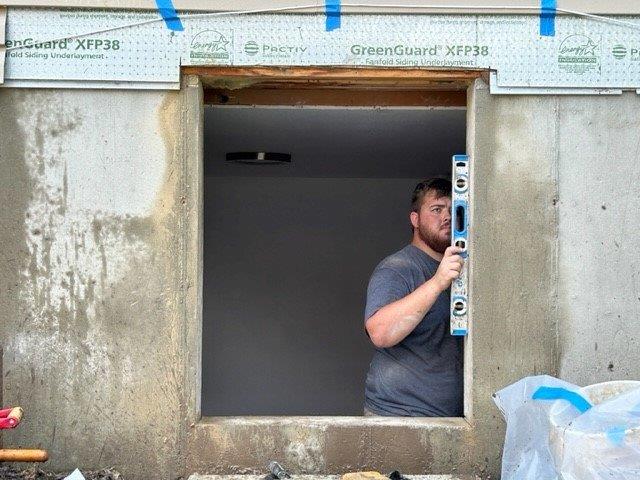
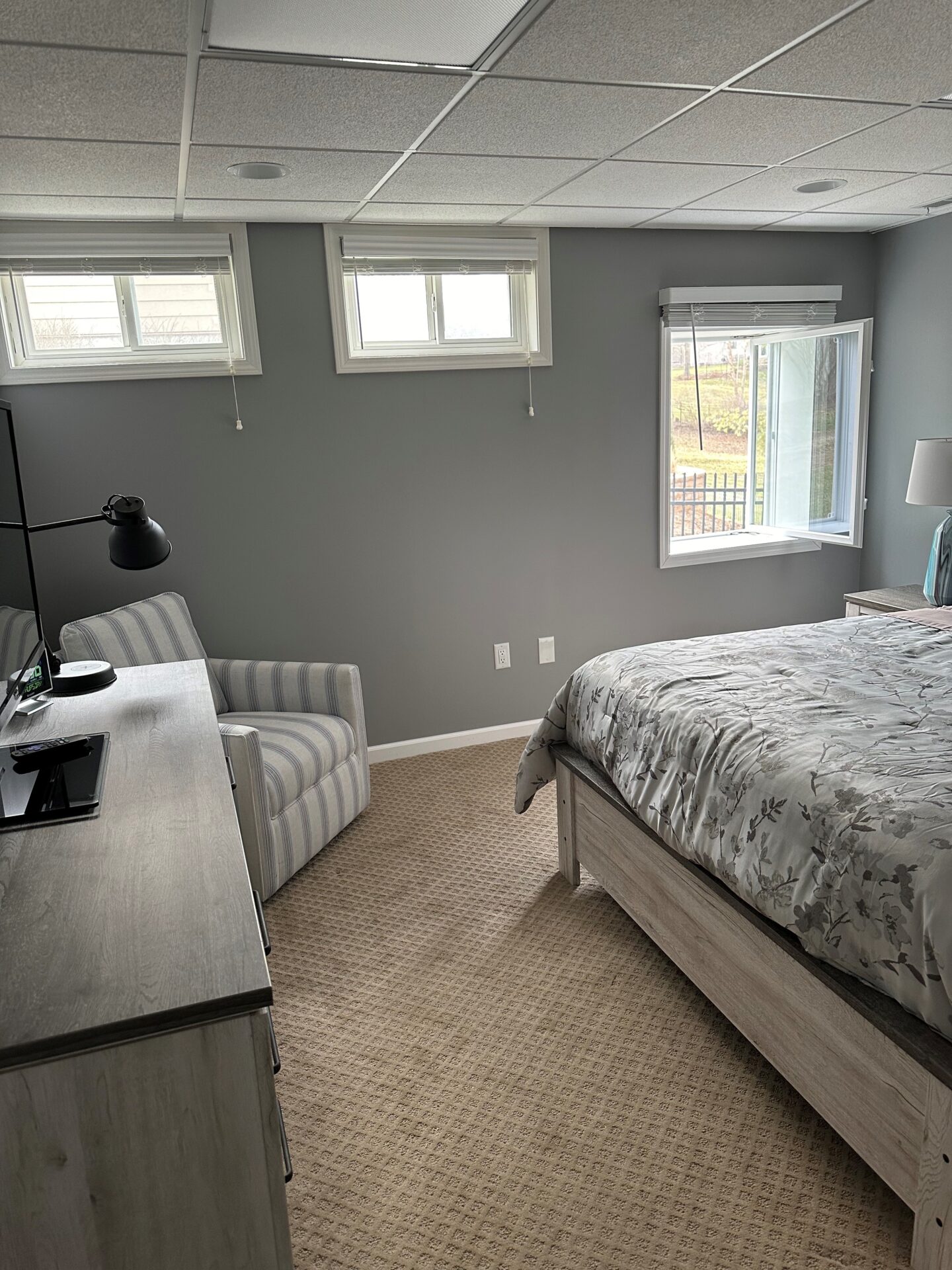
A code-compliant egress window provides a safe emergency exit from a basement bedroom while bringing more natural light and fresh air into the space. Options such as inswing, slider, and vertical egress windows can be selected based on the layout of the basement and the needs of the household. This can be an especially valuable upgrade for homeowners finishing a basement, creating a guest room, or making space for a growing family.
Concrete Leveling
Sunken concrete can affect driveways, sidewalks, patios, and garage floors. It can make these areas look uneven and create tripping hazards. Polyurethane foam injection fills voids beneath the slab and gently lifts the concrete back toward level. This approach typically involves less disruption than full replacement. It can also help improve curb appeal, safety, drainage, and the usability of outdoor or garage spaces.
Foundation Wall Replacement
In some cases, a foundation wall may be too damaged or unstable for reinforcement or a more limited repair to provide a lasting solution. Full foundation wall replacement involves removing and rebuilding the affected wall using an engineered approach to restore structural integrity. Visible cracks alone do not necessarily mean wall replacement is required, which is why a professional inspection is essential to determine the extent of the damage and the appropriate path forward.
What to Expect From an Inspection
An inspection starts with a conversation about what you have noticed in and around your home. A project manager will then evaluate the property, explain the findings in clear language, and provide a written recommendation. If repairs are needed, you will receive a clear estimate with the proposed scope, cost, and timeline. If they are not, you will have the information you need to move forward with confidence.
Foundation Specialists Serving Columbia, Jefferson City, and Central Missouri
Foundation and basement problems can look different from one home to the next, especially across Central Missouri’s mix of river-bottom soil, rolling terrain, and older neighborhoods. Stratum Structural Systems serves homeowners in Columbia, Jefferson City, Boonville, Fulton, and communities throughout the surrounding region. Our Central Missouri service area includes Boone, Cole, Callaway, Audrain, Cooper, Moniteau, Randolph, Howard, Monroe, Osage, Miller, and Morgan counties.
Whether you are in a historic home near downtown, a newer home on a sloped lot, or a rural property outside town, our team takes the time to understand the conditions affecting your home. From foundation cracks and settling to basement seepage, bowing walls, and uneven concrete, we provide clear recommendations based on the issue, not a one-size-fits-all solution