Can You Waterproof Your Basement from the Inside? What Homeowners Need to Know
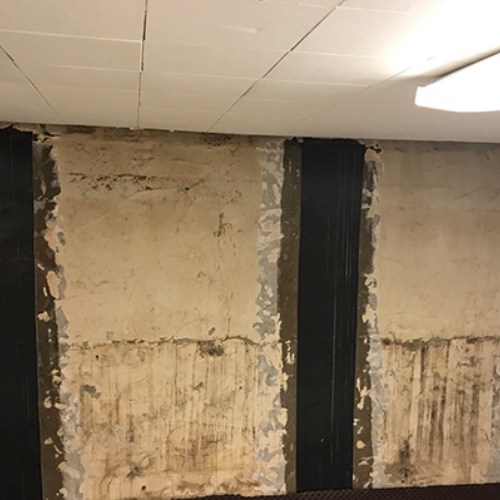
Basement leaks and moisture are some of the most frustrating problems homeowners face. Whether it’s a damp, musty smell, visible water stains, or pooling water after heavy rain, these issues can quickly lead to bigger concerns like mold growth and structural damage. Naturally, many homeowners look for solutions that are effective, practical, and affordable. One of the most common questions that comes up is whether you can waterproof a basement from the inside. It’s very possible. It might also be complicated, but we’re going to break it down!
Is It Possible to Waterproof the Basement from Inside Your Home?
The short answer is yes. You can waterproof your basement from the inside. However, the process can vary.
The effectiveness of waterproofing a basement from the inside depends on your home’s specific conditions. Interior waterproofing is often a very reliable way to manage water intrusion, especially when paired with proper water management and supporting exterior improvements. To better understand this process, let’s break down how interior systems work, their advantages and limitations, and when it makes sense to consider exterior solutions instead.
Long-term Basement Waterproofing in St. Louis
Interior basement waterproofing refers to systems installed inside your home to control water entering your basement at the wall and floor seam. Unlike simple sealants or waterproof paints that only provide a surface-level barrier, the most effective interior waterproofing focuses on subsurface drainage and discharge away from the property. These systems are designed to handle water that has already seeped in at the cold joint and discharges it safely away from your home.
Instead of trying to completely block water from entering, interior, subsurface waterproofing systems focus on directing and managing water before it gets inside. It takes into consideration the unique conditions of your property to ensure a longer-term solution.
How Interior Basement Waterproofing Works
Most interior waterproofing systems rely on a perimeter drainage system installed along the base of your basement walls. This system collects water as it seeps in and channels it toward a sump pump.
The sump pump then removes the collected water and discharges it safely away from your home’s foundation. This approach prevents water from accumulating inside your basement.
In some cases, additional components such as vapor barriers or wall liners are installed to direct moisture into the drainage system and keep basement walls dry. With effective interior waterproofing in place, your property will be at less risk of damage, mold growth, and other issues.
Benefits of Waterproofing the Basement from Inside
Interior basement waterproofing can be one of the most effective and homeowner-friendly ways to address recurring moisture or seepage issues. The key idea behind these systems is controlled water management. Instead of fighting against water pressure outside the home, they provide a structured path for water to exit without causing damage.
Another excellent benefit of waterproofing your basement from the inside is cost. Interior systems are typically much more affordable than exterior waterproofing and the associated warranty is usually much better because the environment is now controlled.(think of various animals-rodents, squires, skunks having access to the exterior repairs). Waterproofing the exterior often involves excavation around the foundation which is also more expensive.
With interior systems, the work is done inside without additional specialty equipment. There is also far less disruption to your yard, landscaping, driveways, or patios.
Installation is usually faster as well. Interior basement waterproofing in St. Louis is often completed in just a few days. Completion time typically depends on the size of the basement and potential water damage.
Many professional systems also come with long-term or even lifetime warranties, giving homeowners added peace of mind. Therefore, interior waterproofing provides a dependable and practical solution for homes with ongoing water intrusion.
Considerations for Interior Basement Waterproofing
Interior basement waterproofing sometimes may not be a perfect fit for every situation, and there are some important limitations to keep in mind. For one, hydrostatic pressure still builds up under the basement slab from water in the soil and can still affect the structure.
Additionally, these systems rely heavily on a functioning sump pump. If the pump fails due to power outages or mechanical issues, water can quickly build up. A battery back up or internal back up power inverter is always advisable.
It’s also important to understand that interior systems may not address the root cause of water intrusion. Continuous water intrusion is often related to drainage issues outside the home. Without addressing external factors such as poor gutter management or downspout drainage, internal systems could become overwhelmed and eventually fail.
Best Option: Interior and Exterior Basement Waterproofing
To get the most out of an interior waterproofing system, supporting exterior improvements are critical. Simple steps like keeping gutters cleaned and extending downspouts away from your foundation can significantly reduce the amount of water that reaches your basement walls. Proper grading around your home ensures that water flows away rather than pooling near the foundation.
Keeping gutters clean and functioning properly is another key factor, as clogged gutters can lead to overflow that saturates the soil around your home. In some cases, additional exterior drainage solutions may be worth considering. These improvements help reduce the overall water load on your system, extending its lifespan and improving performance.
Should I Do Exterior Waterproofing Instead of Interior Waterproofing?
Every situation is unique, and many things should be considered when deciding between exterior and interior waterproofing. There are situations where exterior waterproofing may be the better choice. This decision typically depends on the severity and source of the water problem.
Homes with serious foundation issues, wide cracks, or visible structural movement often need a more comprehensive exterior approach. Likewise, properties in areas with a high water table may benefit from systems that stop water before it ever reaches the foundation.
Exterior waterproofing is commonly recommended during new construction or major renovations. This option becomes even more cost-effective because the foundation is already exposed. Access is easier and therefore might not require the use of specialty equipment, such as an excavator.
Although it typically costs more upfront because of excavation and labor, exterior waterproofing can provide a proactive, long-term layer of protection in the right circumstances. This approach is more often chosen for water seeping THROUGH the wall itself, (think of seepage through block or stone foundation wall)
By comparison, interior waterproofing is generally more budget-friendly and less disruptive. Its affordability makes interior basement waterproofing a strong option for many existing homes with manageable water intrusion.
Since the “right” solution depends on your specific structure, soil conditions, and water issues, it is wise to get a professional evaluation before deciding. Our foundation specialists at Stratum Structural Systems can assess your situation and recommend whether an interior system, exterior system, or a combination of both is the best fit for your home.
Is Interior Waterproofing My Basement Right for Me?
Basement water problems aren’t merely nuisances. If left unaddressed, they can lead to costly mold remediation, structural repairs, and even a decline in your home’s value over time.
For a wide range of homes, especially where water intrusion is moderate and manageable, interior basement waterproofing can be an effective and practical choice. It strikes a useful balance of cost, efficiency, and reliability that fits many real-world situations. Just remember, the best protection often comes when an interior system is paired with good exterior water management, such as proper grading, working gutters, and extended downspouts.
Every home, soil condition, and water issue is a little different. Therefore, it’s crucial to assess your specific situation rather than rely on a one‑size‑fits‑all answer.
Talking with a qualified professional can help you decide whether an interior system, an exterior approach, or a combination of both will give you the strongest long‑term protection for your basement. If you are in St. Louis, our team at Stratum Structural Systems is here to listen to your concerns, evaluate your home, and recommend the solution that fits your needs and budget. Contact us today!