Pier Support 101: How Specialists Determine the Right Plan for Your Foundation
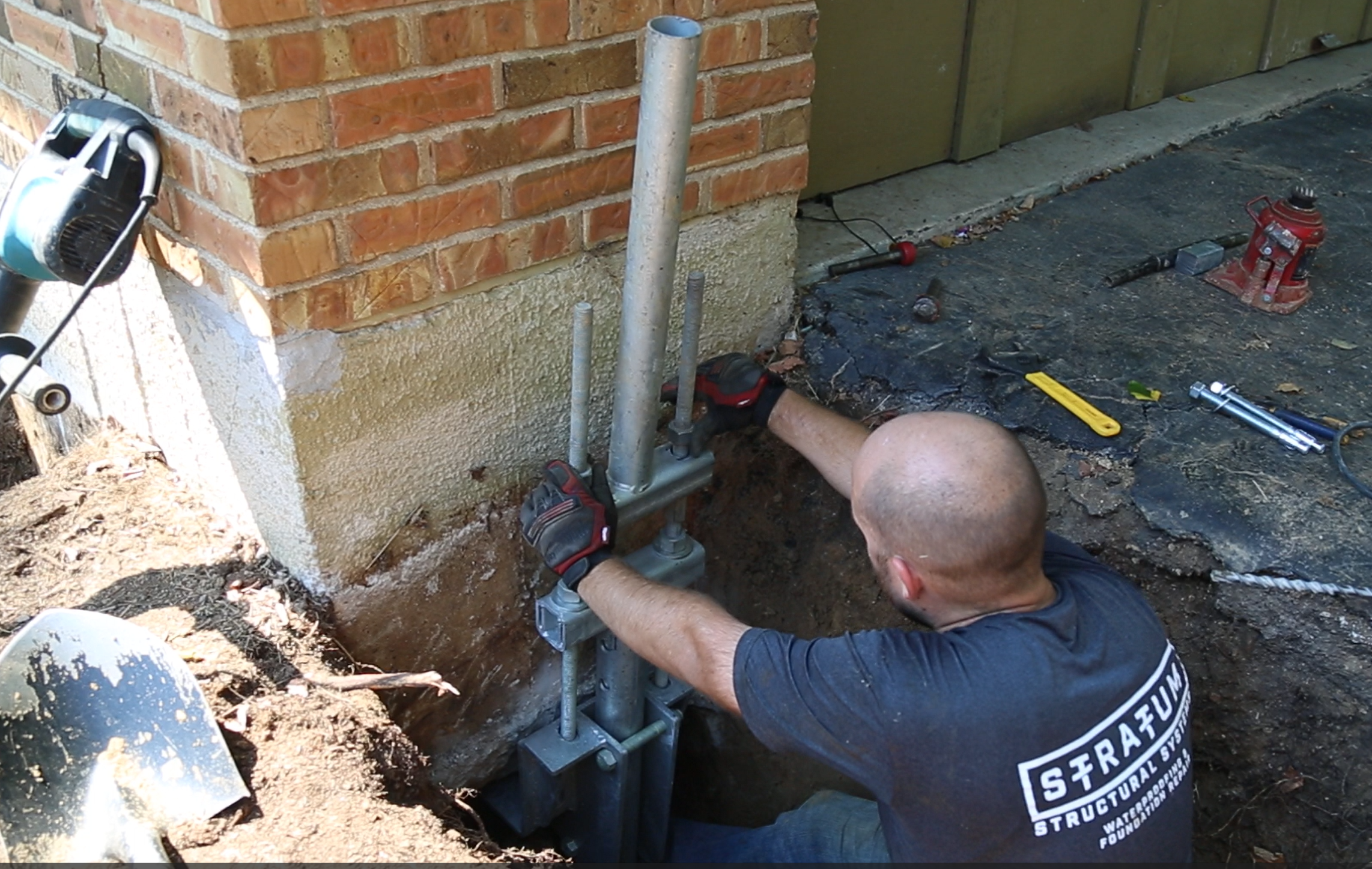
You might not see your foundation every day, but you can feel when something’s wrong. The faint slope in your kitchen floor, that stubborn window that used to glide open, they all tell a story that starts beneath your feet. Over time, shifting soil and changing moisture levels can cause your home’s foundation to settle unevenly. Foundation piers for your St. Louis home may be the key repair for stopping that movement and restoring long‑term stability. However, before any piers are installed, an inspector must understand your foundation’s type, depth, and load to determine the best plan for lasting support. Here’s how they decide the right piering support for your property.
Understanding the Foundation Type
Every home’s foundation is built a little differently, and those differences play a big role in how inspectors plan a piering solution. The materials used (and how they were installed) can affect both the repair method and the long‑term stability of your home.
- Poured Concrete Foundations: These are the most common in modern homes and offer strong, continuous walls. Cracks or settling in poured concrete typically respond well to a variety of pier systems.
- Block Foundations: Made from stacked concrete blocks, these walls have joints that can weaken over time. Inspectors must carefully assess how the piers will support the wall without worsening structural strain.
- Stone Foundations: Found in older homes, these are irregular and often more porous. Their uneven structure can complicate pier installation and may require custom attachment methods to ensure lasting stability.
Each foundation type responds differently to soil movement and weight distribution. Therefore, understanding its composition helps foundation experts select the appropriate pier type and placement for reliable, efficient repair.
Evaluating the Home’s Load
From the roofline to the foundation walls beneath, every home carries a tremendous amount of weight, regardless of its size. This total weight is called the “load,” and it’s what your foundation supports day after day.
When that load isn’t evenly distributed, some areas of the foundation can settle faster than others. This discrepancy can lead to cracks, uneven floors, or separation between walls and ceilings.
Inspectors carefully examine how that load is distributed through the structure. They look at load‑bearing walls, columns, beams, and even trusses to see where the stress points lie.
Understanding these pressure paths helps them determine exactly where additional support is needed. For instance, heavier sections of the home, such as fireplaces, chimneys, or multi‑story walls, often require more closely spaced piers. This is done to distribute weight evenly and prevent further movement
Once the load pattern is mapped out, the licensed professional uses it to guide pier placement. It’s a precise process that blends structural science with practical experience, ensuring every pier works together to keep your home steady and level.
Assessing Foundation Depth and Access
The depth of your foundation plays a significant role in how foundation piering is planned and executed. Some homes sit over full basements, while others rest on crawl spaces. Furthermore, many newer builds are constructed on slabs directly above the soil. Each setup presents its own challenges and considerations when it comes to stabilizing your home.
Basements offer more working space for interior repairs, but they are also deeper. Therefore, longer piers may be required to reach stable soil.
Crawl spaces present a tighter fit. Contractors need compact equipment and creative positioning to install piers efficiently beneath the floor system.
Slab foundations, on the other hand, don’t have open access underneath. So, piers are often installed from the exterior perimeter to lift and level the slab from below.
The deeper the foundation, the deeper the pier must extend and anchor into firm, load‑bearing soil. Inspectors carefully evaluate this depth, using measurements and soil data to determine the appropriate pier length and the installation equipment required. What might appear to be a simple crack repair on the surface often depends on precise calculations beneath it.
Accessibility also determines whether piers are installed from the inside, outside, or both. Interior piers are ideal for homes for stabilization only, with finished landscaping or limited yard space. Exterior piering is more common when interior access is difficult or when it’s necessary to avoid disturbing finished basement flooring.
By understanding both the depth and access points of a foundation, inspectors can design a repair plan that’s not only structurally sound but also minimally invasive to your home and daily life.
Determining Pier Type and Placement
Once the foundation’s condition, depth, and load are understood, the next step is to choose the appropriate pier type and determine where each one should be placed. Inspectors take into account soil composition, depth to stable strata, and the amount of movement that has occurred. These factors help determine not only which pier will perform best but also how many are needed and how far apart they should be placed.
Proper spacing is critical. Too few piers can leave weak spots, while too many can drive up costs unnecessarily. A well‑calculated layout balances structural support with efficiency, ensuring your home gets the stability it needs without over‑engineering the repair.
Common types of foundation piers include:
- Helical Piers: Installed like large screws into the ground and ideal for lightweight or shifting soils.
- Push Piers: Driven deep into the earth using the weight of the home, best suited for heavier structures or deeper, stable soil.
- Slab Piers: Designed specifically for concrete slab foundations that have settled, restoring the slab to its original elevation.
Choosing the right pier type isn’t a guessing game. It’s a precise decision made through careful inspection and engineering. Working with a qualified foundation professional ensures every pier is selected, spaced, and installed to fit your home’s specific conditions so the results are both reliable and long‑lasting.
Interior vs. Exterior Pier Installation
The choice between interior and exterior installation often comes down to accessibility, cost, lifting vs. stabilizing, and how the foundation was built. Exterior piers are the most common approach for St. Louis homeowners when it comes to a lift.
They’re installed along the outside of the foundation walls, making exterior piers ideal for homes with slabs or finished basements where indoor disruption needs to be minimized. Excavation is required, which can mean higher costs if landscaping or hardscaping has to be replaced afterward.
Interior piers, however, are installed from inside a basement or crawl space. This option can be more precise for supporting central areas of the home or correcting deep settlement that isn’t accessible from the outside.
The goal of both methods is the same. They’re used to stabilize and, if needed, lift your foundation back to its proper level.
Pier Support In St. Louis
A stable foundation starts with careful evaluation. By understanding your home’s structure, soil conditions, and foundation type, inspectors and engineers can design a piering solution that delivers both long‑term performance and real value. Precise planning prevents unnecessary repairs and ensures every pier does its job, supporting your home exactly where it needs it most.
At Stratum Structural Systems, our team specializes in foundation evaluation and pier installation throughout the St. Louis area. We take a thoughtful, engineering‑based approach to every project so homeowners can feel confident in their foundation’s strength for years to come. Contact us today!