Guide to Egress Window Codes in St. Louis
Egress windows are specially designed openings that provide a safe exit in case of an emergency. They are commonly required in bedrooms and finished basements. In St. Louis homes, they play a critical role in protecting occupants, supporting home value, and ensuring compliance with local building codes based on IRC Section R310. Egress window requirements are built around real-world safety, ensuring occupants can escape quickly and first responders can enter when needed. Understanding what’s required (and why) can feel overwhelming, especially with local variations and structural considerations. We’ll break it down so you’re more informed about this life-saving home feature.
What Is an Egress Window?
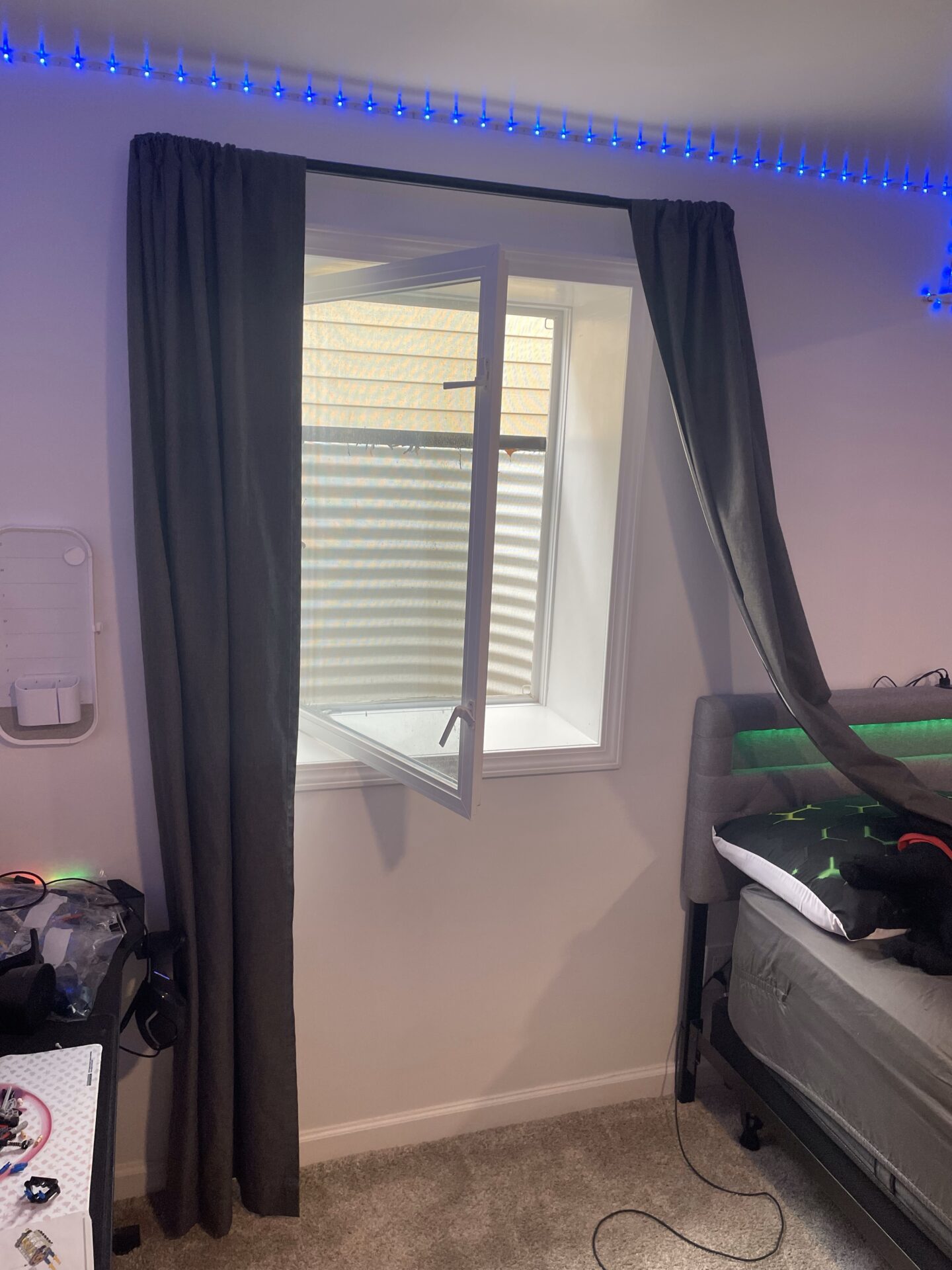
An egress window is an emergency escape and rescue opening designed to provide a safe, accessible exit from a living space. Time is of the essence in life-or-death situations, and egress windows are designed with that in mind.
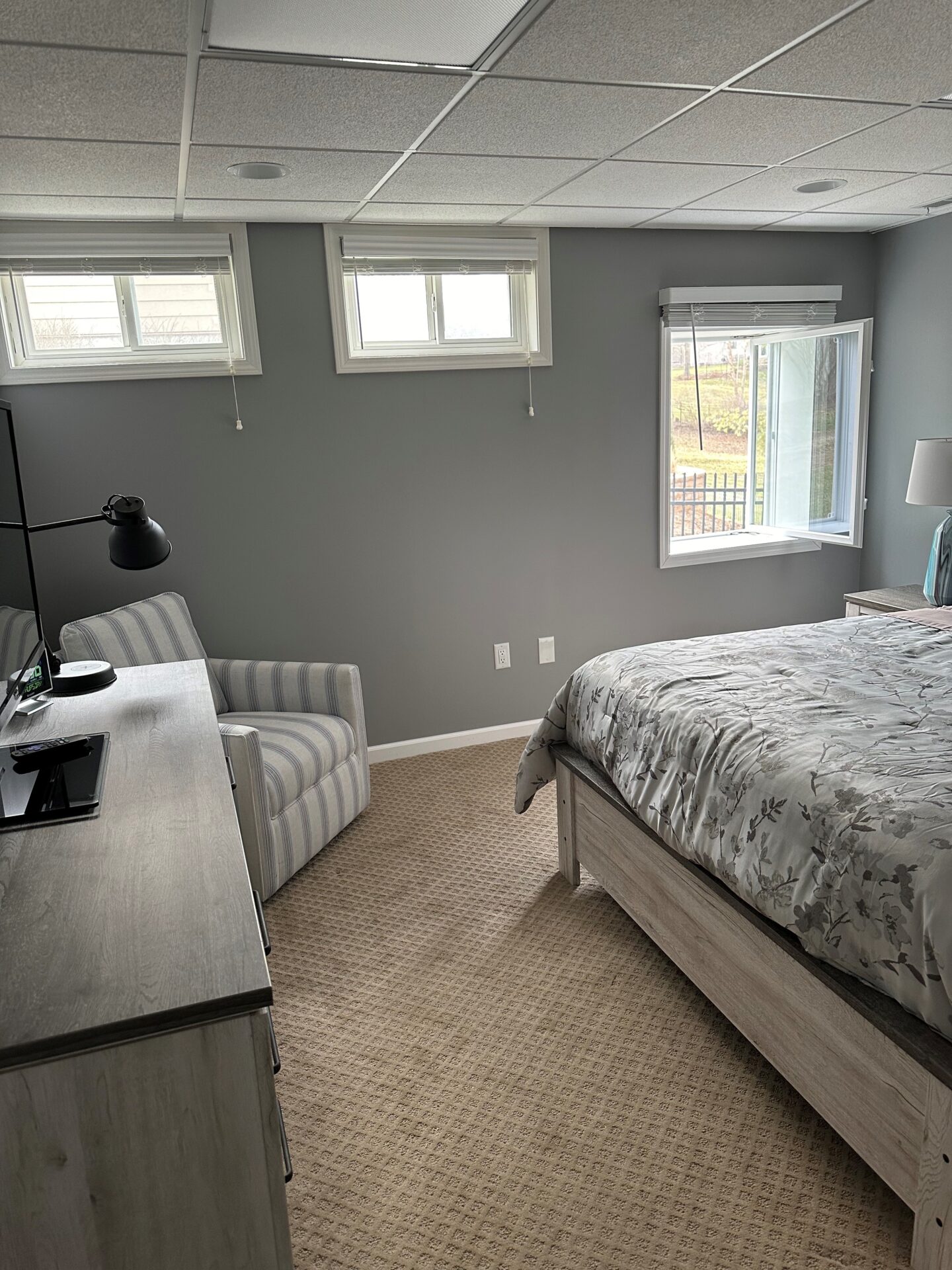
These windows are required in bedrooms, finished basements, and habitable attics so that occupants can quickly get out. They’re also designed to allow first responders to enter the property seamlessly.
In St. Louis, egress windows are especially relevant in older homes and newly finished basements, where adding livable space often triggers code requirements. Whether you’re converting a basement into a bedroom or updating an existing space, these windows are a critical part of making the area both safe and compliant.
Requirements for Egress Windows in St. Louis
Over time, egress window codes have evolved alongside building practices and emergency response insights. Egress window requirements in St. Louis are based on the International Residential Code (IRC), specifically Section R310. These provisions were developed to standardize safety measures across residential construction.
At the core of IRC Section R310 are a few key requirements every homeowner should understand:
- Minimum clear opening: 5.7 square feet
- Minimum opening height: 24 inches
- Minimum opening width: 20 inches
- Maximum sill height: 44 inches from the finished floor
- Must open from the inside without tools, keys, or special knowledge
At first glance, these requirements can feel overly specific or even excessive for a typical homeowner project. However, each qualification is intentional, rooted in previous safety scenarios that have informed future rescue needs. Let’s take a closer look at the reasoning behind these standards next. With this knowledge, you can better understand why codes for egress windows matter and how they protect your property.
Why Egress Window Code Requirements Exist
There are many rules within IRC § R310. Some of these requirements may seem excessive. However, compliance with egress window codes can save lives. We’ve discussed some of the most essential codes for egress windows. Let’s explore why these specific codes are so important for home safety.
Life Safety: Quick Escape During Fires or Emergencies
These windows provide a dependable exit if primary routes like doors or stairways aren’t accessible. This is especially important in basements, where exits can be limited. A properly sized and placed egress window gives occupants a clear path to safety.
Rescue Access: Allows Firefighters to Enter
As we’ve discussed, there are two primary reasons for egress window regulations. We’ve discussed inhabitants of the home. However, you must also consider those who are coming into the property to save lives.
Egress windows also make it easier for emergency crews to reach people inside. Firefighters need enough space to move through the opening with gear and equipment. When designed correctly, these windows support faster, more effective rescue efforts not only for those safely exiting the house but for those answering the emergency and how they exit the house if traditional exits such as stairwells are inoperable.
Size standards: Large Enough for Adults, Children, and Gear
The required dimensions ensure the window works for a wide range of people and situations. Whether it’s a child exiting independently or an adult assisting someone else, the space needs to accommodate safe movement. It also ensures first responders can do their jobs without restriction.
Still Height: Prevents Dangerous Climbing or Delayed Exits
The goal is to make a safe exit feel as natural as possible. A lower sill height keeps the window within easy reach, reducing the need for climbing or added assistance. This makes the exit more accessible for children, older adults, and anyone needing a straightforward path out.
No-Tools Rule: Eliminates Confusion and Panic During Emergencies
Windows must open easily from the inside without keys, tools, or extra steps. In urgent moments, simplicity is key. A window that opens quickly and intuitively helps people act without hesitation.
Each of these requirements is designed to make safe exit and entry as seamless as possible. When properly followed, these codes create a home environment that’s better prepared to protect the people inside.
Additional IRC Considerations Homeowners Miss
While the core egress requirements get most of the attention, they’re not the only factors that determine whether a window is truly safe and code-compliant. Details around window wells, access, and drainage play just as important a role in how the system performs in real-world conditions.
For below-grade windows, the window well must be large enough to allow the window to fully open without obstruction and provide adequate space for someone to climb out. Even if the window itself meets size requirements, a cramped or poorly designed well can make it difficult, even impossible, to use in an emergency.
If the window well is deeper than 44 inches, the code requires a permanently affixed ladder or steps to provide a safe and easy exit. This provision ensures someone can actually climb out without struggling, especially in a high-stress situation or low visibility.
Proper drainage is another critical piece that’s often overlooked. Window wells must be designed to prevent water buildup and soil pressure. Otherwise, your property becomes highly vulnerable to damage and could even pose health risks for inhabitants.
These proactive measures are typically achieved through gravel bases, drains, or connections to the home’s drainage system. Without this, water intrusion can lead to leaks, mold, and long-term damage that undermines both the safety and durability of the installation.
More Considerations for St. Louis Egress Windows
In St. Louis, egress window projects come with a few added layers that homeowners should plan for. While IRC Section R310 provides the baseline, local city and county codes may include amendments. Since these documents are ever-evolving, it’s important to verify requirements before starting.
Part of what gives St. Louis its everlasting charm is that many homes in the area are older. Historic homes can present unique challenges, such as thicker foundation walls, aging materials, and expansive clay soil that can affect excavation and drainage.
Permitting and inspections are also a key part of the process, ensuring the work meets safety standards and avoids issues down the line. On top of that, St. Louis weather, especially heavy rains and freeze-thaw cycles, makes proper drainage and installation essential for long-term performance!
Why Hiring Experts Matters
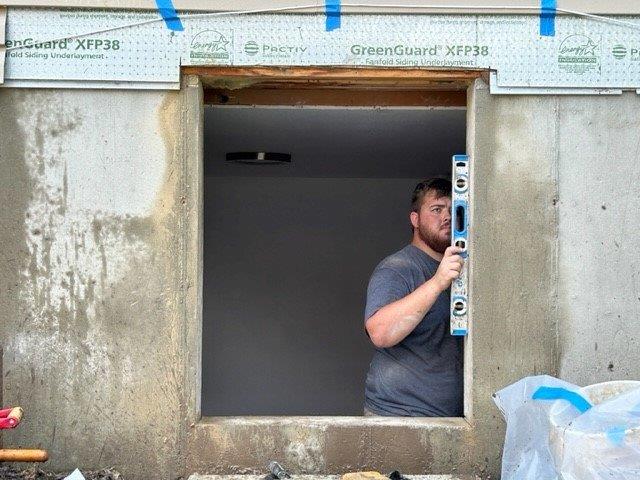
Installing an egress window involves far more than cutting an opening and placing a window. It requires a detailed understanding of building codes, structural safety, and proper system design.
Professionals know how to meet IRC requirements and local St. Louis amendments. Their expertise helps homeowners avoid failed inspections, costly corrections, or potential fines. Just as important, they ensure the window is properly sized and positioned to function as a true emergency exit, not just a code checkbox.
There’s also a critical technical side to the work, especially when cutting through foundation walls and managing water around the home. Experienced contractors understand how to maintain structural integrity while creating the opening, and how to design drainage systems that prevent leaks and long-term moisture issues.
Done right, an egress window adds safety, usable space, and home value. Done poorly, it can lead to water damage, mold, and expensive repairs that far outweigh the initial investment.
Egress Window Installation and Repair In St. Louis
When you’re considering egress window installation or repair in St. Louis, our team at Stratum Structural Systems focuses on doing the work safely, carefully, and in line with current building codes. We take time to evaluate your home’s foundation, soil conditions, and drainage so the window doesn’t just pass inspection, but performs well over the long term.
Our approach is straightforward. We explain your options clearly, respect your budget, and recommend only what’s truly needed for a safe, functional space.
From cutting the opening to managing waterproofing and window wells, we handle the details so you can feel confident your project is done the right way. If you’re unsure where to start, we’re always happy to simply answer questions and help you understand what makes sense for your home. Contact us today!