Common Signs Your Home Needs Foundation Wall Anchors
Foundation issues are a worry for many homeowners, especially in places like St. Louis, where shifting soils and unpredictable weather can put extra stress on your home’s structure. Even small cracks or bowed walls can signal bigger problems down the road. Fortunately, solutions like wall anchors offer a permanent and minimally invasive way to stabilize your foundation and protect your investment. So, how do you know if you need wall anchors? Let’s look at why foundation walls fail, the warning signs to watch for, and how wall anchors can help keep your home safe and sound.
Why Foundation Walls Fail in St. Louis
It’s easy to take your home’s foundation for granted. Many of us might brush it off until we notice a crack in the basement wall or a door that suddenly won’t close.
These warning signs may seem small, but they often have bigger stories behind them. For many homeowners, shifting soils and changing weather are the unseen culprits for these growing issues.
St. Louis is known for its clay-rich soils. Clay-rich soil can expand dramatically when wet and shrink during dry spells.
This constant push and pull on your foundation walls. Over time, this cycle can lead to cracks, bowing, and even structural failure.
Frequent weather changes only make matters worse. Saturated soil from heavy rainfall presses against your foundation. The soil then pulls away as it dries during droughts.
Historic St. Louis homes face even greater risks. Decades of wear and outdated building materials can leave foundations less able to withstand these stresses.
Add in factors like thirsty tree roots or poor drainage, and it’s easy to see why foundation wall problems are so common. Recognizing these challenges is the first step toward protecting your home’s stability for years to come. Foundation wall anchors can be an excellent way to protect your home’s structural integrity in light of unpredictable weather patterns and our region’s unique soil.
What Are Foundation Wall Anchors?
Foundation wall anchors are specially engineered systems made of steel rods, soil screws and earth plates. They’re designed to stabilize and, in many cases, straighten bowing or cracked foundation walls.
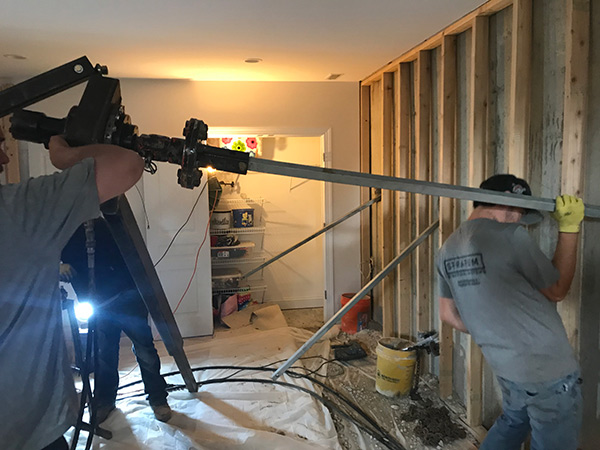
Anchor installation starts by driving a steel rod through a small hole in your basement wall. This rod connects to a heavy-duty steel helix (screw) driven into stable soil several feet away from your house. Inside, a wall plate is attached to the foundation wall, and the system is tightened to counter the pressure from the soil.
This method works by shifting the force from your failing wall to the solid soil outside. It stops further inward movement. Even better, they could help pull the wall back toward its original position over time.
Wall anchors offer permanent stabilization with some excavation of the yard. They’re especially effective for walls that have bowed two inches or more, making them a cost-effective and long-lasting solution, compared to full foundation wall replacement.
Signs That I Need Wall Anchors for Foundation
Assessing your home regularly for foundation issues is essential for protecting your investment and ensuring your family’s safety. Small cracks or subtle changes can be easy to overlook, but they often serve as early warning signs of more serious structural concerns. Make it a habit to inspect your foundation, basement, and exterior walls. This simple routine helps you catch problems early. You can address issues before they turn into costly repairs or safety risks. Here are some things to look out for that might indicate you need wall anchors installed.
Types of Cracks In Walls
Cracks in your basement walls are often the first signs that there might be foundation problems. Different types of cracks can indicate different issues with the foundation. Each of these crack patterns is a warning sign that your foundation is under stress and should be checked by a professional.
Horizontal cracks, which run parallel to the ground, usually mean that soil outside is pressing hard against your wall with enough force to compromise its integrity. This kind of pressure can weaken the wall and needs prompt attention. This will often be referred to as a “bowing wall”.
Diagonal cracks typically form at a 45-degree angle. These cracks often indicate that your foundation wall is rotating inward at the top or even settling unevenly. It might also be shifting because of soil movement.
Stair-step cracks zigzag along the mortar lines of brick or block walls. These cracks are usually caused by uneven settling or moisture problems.
Bowing or Bulging Walls
Walls that curve, lean, or bulge inward are a clear indicator that the pressure from the surrounding soil is overwhelming the wall’s strength. This bowing is often accompanied by visible cracks.
A combination of cracks and bowing is a telltale sign that the foundation is under significant stress. Bowing or bulging should never be ignored. These conditions can quickly worsen and threaten the structural stability of your home.
Gaps Between Walls and Floors
If you see a gap at the cover joint (where the wall meets the floor), it could mean your foundation is shifting or bowing. These gaps often start small but get bigger over time. When left unfixed, this gap can lead to uneven floors or sagging ceilings.
Common causes for a gap at the cover joint include:
- Foundation settlement
- Expanding soil
- Damaged floor joists
A gap between the wall and floor is an early warning of foundation damage. If the gap keeps growing, it means the foundation is moving or settling unevenly and needs attention.
Sticking Doors and Windows
Difficulty opening or closing doors and windows is a common annoyance for many homeowners. Unfortunately, it’s also another common symptom of foundation movement.
Sticking doors and windows often result from uneven settling or shifting of the foundation. As the foundation shifts, it can cause frames to become misaligned, resulting in doors and windows that stick or won’t latch properly. This issue may also be accompanied by visible cracks in the drywall around frames.
Water Intrusion or Dampness
If you notice leaks, musty smells, or damp spots in your basement, pay close attention. These signs often show up with cracks or bowing in your foundation walls, especially if those leaks are isolated in nature. Seepage which is happening near the wall and floor and all along several walls usually indicates hydrostatic pressure under the basement slab, which would be a completely different plan of repair.
Water can get inside when pressure from the soil pushes it through cracks or cover joints. When your basement stays damp, it can damage your foundation. Its persistence can even lead to mold, which can pose a serious health risk for your loved ones.
Musty odors or visible moisture are clear signs that water is getting in, and could indicate that your foundation may be moving. If you see these problems, it’s important to have your foundation checked right away.
Exterior Brick or Siding Damage
When you see damage on the outside of your home, it often means there are also issues with your foundation inside. Cracks in your exterior brickwork or siding can be a sign that your foundation is moving or settling unevenly.
These cracks often reflect what’s happening below the surface and may show up as splits in mortar, stucco, or even in driveways and patios. Visible cracks in siding or brick mortar are important warning signs that should not be ignored. They can allow water into the home, which can cause more damage and create health hazards.
Utility Damage
Pipes, ducts, or electrical conduits that are no longer snug against your basement wall can be a sign of foundation trouble. When a foundation wall bows or rotates, it can push utilities away from their original positions. This movement not only disrupts how your home operates but can also create safety hazards.
When pipes or ducts pull away from the wall, it is a strong warning that your foundation is moving. These issues should be fixed along with any other structural repairs.
Acting early can stop small problems from turning into big ones. Checking for these signs often and calling a professional right away helps keep your home safe and protect your property value.
Be Proactive with Addressing Signs of Foundation Damage
Addressing foundation damage as soon as you spot the signs can make all the difference for your home. Early intervention often means a simple, affordable repair instead of a major structural crisis.
Wall anchors are an effective way to stop bowing or cracked foundation walls from getting worse. Installing wall anchors at the first sign of trouble can prevent further movement, reduce water intrusion, and help you avoid the high costs of major foundation repairs. Quick action not only protects your home’s value but also gives you lasting peace of mind.
How to Get Wall Anchors Installed in St. Louis
Getting wall anchors installed is a straightforward process when handled by experienced professionals. This foundation repair starts with a thorough site assessment.
First, a foundation specialist will inspect your home to determine the extent of the wall movement and plan the optimal placement for each anchor. Next, small holes are drilled through the foundation wall and into stable soil at least 10 feet away from your home.
Galvanized steel rods are inserted through these holes and anchored to heavy-duty steel plates buried in the soil. On the inside, wall plates are attached to the foundation wall, and the system is gradually tightened to stabilize or even straighten the wall over time. Once the anchors are in place, any disturbed landscaping is carefully restored, ensuring minimal disruption to your property.
It’s essential to trust this process to professionals who understand the unique soil and weather conditions in the St. Louis area. At Stratum Structural Systems, we bring years of local experience and a reputation for honest, effective solutions tailored specifically to the needs of St. Louis homeowners.
Our team is committed to upholding the highest structural engineering standards, and we believe in educating our customers every step of the way so you can make informed decisions about your home’s safety.
If you’ve noticed any warning signs of foundation wall movement, don’t wait for the problem to get worse. Contact us today to schedule a free inspection. We’ll provide a thorough assessment and discuss whether wall anchors are the right solution for your home, giving you peace of mind and lasting stability.