Basement Flooding in St. Louis: Causes and Prevention Tips
Basement flooding is a common concern for St. Louis homeowners, especially when heavy rain puts extra pressure on drainage systems and sewer lines. The region’s weather, soil conditions, and older housing stock can all influence how and where water finds its way inside. However, preventing a flooded basement is not a one-size-fits-all approach. Your home’s grading, foundation, plumbing, sump pump, and drainage setup all matter. Look beyond the immediate cleanup to identify the conditions that can lead to water intrusion, recurring moisture, or sewer backups. By understanding the clues around your property and addressing problems early, you can take practical steps to reduce the risk of basement flooding before the next storm.
What Causes Basement Flooding in St. Louis?
Heavy rain, rapid snowmelt, saturated soil, and rising groundwater can put significant pressure on homes throughout the St. Louis area. When the ground cannot absorb more water, that moisture often moves toward the foundation.
Poor yard grading can direct runoff toward the house, while clogged gutters and short downspouts may release large amounts of roof water near basement walls. Together, these drainage issues allow water to pool and soak into the soil around the foundation, increasing the risk of basement seepage and flooding.
Once water begins collecting around a home’s foundation, it finds the easiest path inside. Pressure from saturated soil can force moisture through small cracks or other openings that may go unnoticed during dry weather. Over time, even minor gaps can lead to recurring basement seepage after heavy rain.
Common entry points include:
- Foundation cracks
- Porous concrete or block walls
- Worn or damaged exterior seals
- The joint where the basement wall meets the basement floor
Water can also enter through openings above or around the foundation, especially when drainage is poor or wind-driven rain is involved. These areas should be checked regularly for signs of wear, damage, or standing water.
Other potential sources include:
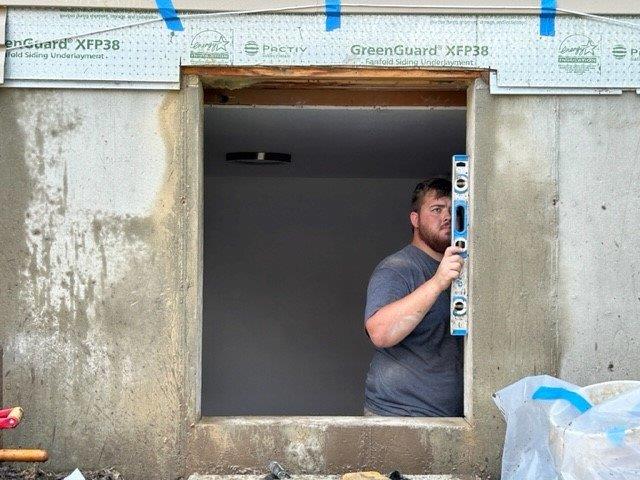
- Basement windows and window wells
- Exterior basement doors
- Gaps around utility pipes, wires, and cables
- Deteriorated caulk or weatherstripping
A small crack or loose seal may not seem urgent when the basement is dry. However, repeated exposure to water can turn a minor weakness into a consistent entry point. Identifying and addressing these vulnerabilities early can help limit moisture problems and reduce the risk of future flooding.
Weather is not the only possible cause. A sump pump may fail during a storm because of a power outage, clogged discharge line, stuck switch, or a system that cannot keep up with incoming water. P
plumbing leaks from aging pipes, water heaters, washing machines, or appliance connections can also cause sudden flooding. Water coming up through a floor drain or fixture may point to a clogged sewer line or an overloaded sewer system, which calls for a different response than ordinary foundation seepage.
Clues to Basement Flooding: Timing and Location
When the water appears, help point you toward the source. If it shows up during or shortly after heavy rain, the issue may be connected to the way water moves around the property. Runoff can collect near the foundation when exterior drainage systems are not directing it away effectively. After prolonged rain, saturated soil can also hold water against basement walls and foundation joints, where it may eventually find a path inside.
The first signs are not always puddles. A musty smell, damp wall, peeling paint, or moisture along the floor edge can suggest that water has been entering in smaller amounts over time.
You may also notice white, chalky deposits on concrete or masonry walls. This residue, called efflorescence, forms when moisture moves through the material and leaves behind dissolved salts as it evaporates. Dusty or crumbly material near a wall may also indicate repeated exposure to moisture.
Where the water collects can further narrow the search. Moisture near plumbing equipment may point to a leak, while water coming up through a drain or lower-level fixture may indicate a drain or sewer issue. If several fixtures drain slowly, gurgle, or produce persistent sewer odors, contact a plumber to assess the line. Pooling around a basement floor drain can be a sign of a blocked or damaged sewer lateral.
Tips for Basement Flooding Prevention: Where to Start
Want to prevent your basement from flooding but don’t know where to begin? Start outside.
Clean the gutters before a storm to let rainwater flow where it should. Downspout extensions carry that water away from the foundation.
After a heavy rain, walk around the house and look for puddles, muddy areas, or water running back toward the walls. If water collects there, you may need to regrade the soil or adjust nearby landscaping.
The goal is simple. Keep runoff from soaking excessively the ground around basement walls. Proper grading and roof drainage help limit water buildup against the foundation.
Then turn your attention to the areas where water is most likely to find a way inside. Window wells can fill with leaves, mulch, and other debris that prevents water from draining properly, so keep them clear and make sure their covers fit securely.
Check basement doors for worn weatherstripping or gaps around the frame, especially if you have noticed water after wind-driven rain. It is also worth inspecting the places where pipes, wires, and cables enter the home, since small openings around these utility lines can allow moisture through. If you continue to see damp spots, cracks, or water collecting along the floor edge, the issue may require a more thorough repair rather than another temporary seal.
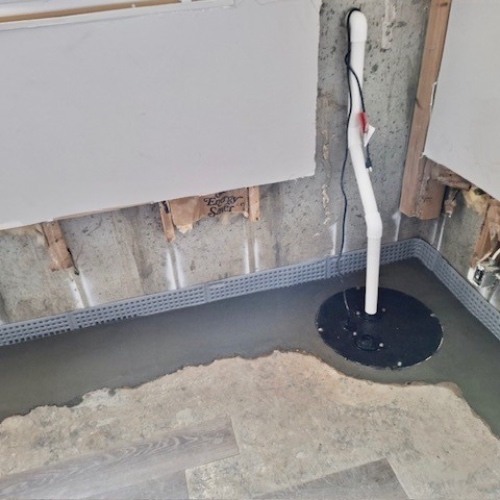
Your sump pump also deserves regular attention. Test it before storm season and every few months.
Slowly pour a bucket of water into the sump pit. The float should rise, the pump should turn on, and water should move through the discharge line outside.
Once the water level drops, the pump should shut off on its own. If it does not activate, drains slowly, runs constantly, or makes unusual sounds, schedule service before the next storm. A battery backup can also help during a power outage.
Finally, stay ahead of plumbing and drain issues. Check appliance hoses and supply lines for wear. Replace aging connections and insulate exposed pipes before freezing temperatures arrive. Keep floor drains clear. If sewer backups are a concern, ask a licensed plumber whether a backwater valve could help protect your home.
When Water Damage May Be Affecting Your Foundation
Water around a foundation can cause more than a damp basement. As soil becomes saturated, it grows heavier and creates pressure against below-grade walls.
Over time, that pressure can contribute to cracking, shifting, and bowing. At this stage, waiting for the next storm or trying another quick seal may allow a structural issue to worsen.
Call a foundation professional promptly if you notice a horizontal crack across a basement wall, a stair-step crack in masonry that is growing, or a crack wider than one-quarter inch.
Bowed, bulging, or leaning basement walls also require an assessment. These conditions can indicate that the wall is struggling to resist pressure from the soil outside.
Look beyond the basement walls, too. Doors or windows that suddenly stick, floors that slope or feel uneven, and gaps forming around trim or between walls and ceilings can all point to movement within the structure. Outside, shifted or separated brick, cracked masonry, buckling siding, and new gaps around window frames deserve attention as well.
Do not wait if the wall appears to be moving, the cracking is spreading, or water intrusion is becoming more frequent. A foundation repair evaluation can identify the cause of the pressure and recommend a solution that protects the wall before damage becomes more extensive. Stratum Structural Systems can assess foundation cracks, bowing walls, drainage conditions, and water intrusion to help you understand the next best step.
Working with a Professional to Fix Basement Flooding
The right professional can replace uncertainty with a clear plan. If the water appears to be tied to pipes, appliances, drains, or lower-level fixtures, start with a licensed plumber. A plumber can trace the problem back through the plumbing system and determine whether the issue is a leak, a blocked line, or a sewer backup. That distinction matters because the repair should address the source of the water, not just the damage it leaves behind.
When water returns after storms, the focus shifts to the outside of the home and the foundation itself. Recurring seepage, damp basement walls, or water near the floor perimeter can indicate that surface runoff or groundwater is building pressure around the foundation. A basement waterproofing or foundation repair professional can assess the drainage conditions, identify the entry point, and recommend a repair that fits the problem.
Major flooding calls for another level of care. Water from a sewer backup, storm flooding, or an unknown source may be contaminated.
It can also soak into drywall, flooring, and other materials where moisture is difficult to remove completely. The EPA recommends working with a professional experienced in contaminated-water cleanup when sewage is involved, rather than attempting to handle it as an ordinary water leak.
Stratum Structural Systems for Basement Waterproofing, Repair, and Prevention
At Stratum Structural Systems, our team helps St. Louis homeowners make educated decisions about basement moisture, water intrusion, foundation concerns, and waterproofing options. With more than 40 years of experience in foundation repair and basement waterproofing, we can evaluate the conditions around your home and recommend a comprehensive plan to help prevent future flooding.
Removing water solves the immediate problem. Preventing another flooded basement means finding and correcting the path that allowed the water inside. Whether the issue is poor drainage, a sump pump problem, foundation cracks, a plumbing leak, foundation seepage, or a sewer backup, addressing the cause is the best way to protect your home over the long term. Contact us today!