Guide to Interior Waterproofing in St. Louis
Water intrusion in a St. Louis basement can do more than leave a damp spot on the floor. It can compromise your home’s value, weaken its structure over time, and create unhealthy conditions, such as mold growth. Protecting your basement with a reliable waterproofing system is key to safeguarding both your investment and your family’s well-being. Homeowners typically choose between two approaches: exterior waterproofing, which prevents water from reaching the foundation, and interior waterproofing, which manages water that’s already seeping beneath or inside the basement. For many homes, interior waterproofing is the more practical and cost-effective option. Let’s explore the ways you can waterproof your interior and how to decide if it’s the right solution for your home!
Causes of Basement Water Problems
Water entering the basement can be catastrophic to the health of your home and family. It’s essential that you’re aware of any water intrusion so that you can find the source and remedy it before it becomes a bigger issue.
Basement water problems can arise from several sources, including:
- Pressure from groundwater around your foundation
- Cracks in the walls or floor
- Ineffective exterior drainage
- Plumbing or sump pump issues
- Changing seasonal conditions like heavy rain or snowmelt
These factors can work alone or together to allow unwanted moisture into your basement. Knowing the risks and being vigilant with inspecting your property is crucial for keeping your home safe. Interior waterproofing is an excellent way to give your entire household peace of mind from water intrusion.
How Interior Waterproofing Works
Interior waterproofing is designed to eliminate water that finds its way inside or beneath your basement floor. This solution provides homeowners with a strong, proactive approach to moisture control.
Rather than stopping water from the outside, this method efficiently captures and redirects any moisture inside the basement. It uses a specialized interior drainage system, often called a French drain or perimeter drain.
Once the water is swiftly ushered into the drainage system, it’s directed to a sump pump. This mechanism expels it safely away from your home’s foundation.
Interior waterproofing transforms a once-vulnerable basement into a consistently dry, comfortable, and structurally secure living space. It achieves this balance by actively managing water after entry, preventing mold, foundation damage, and flooding.
Methods for Interior Waterproofing
Interior waterproofing relies on a variety of drainage systems designed to intercept and manage water before it can cause lasting problems in your basement. Let’s take a look at ways you can waterproof the interior of your St. Louis home.
Interior Drainage Systems
Interior drainage systems are purpose-built to intercept water that enters or rises beneath your basement before it can cause real harm. The most common approach is a French drain.
In some situations, especially where groundwater pressure is a concern, under-slab drainage tiles or piping are set below the basement floor. These pipes gather moisture directly from beneath the slab, enhancing protection against rising damp or hidden leaks.
Both the French drain and under-slab systems funnel water into a sump pit, where a sump pump lifts and expels it safely outside your home. Both systems are effective in keeping your basement dry, no matter the season!
Sump Pump Systems
A sump pump system collects water in a pit at the basement’s lowest point. It automatically turns on to pump the water safely outside, keeping your basement dry and protected from damage.
Backup pumps are powered by batteries or water pressure. They help ensure the system still works during power outages or storms.
Testing your sump pump is vital for keeping it functioning properly. To test it, just pour a bucket of water into the pit. Make sure the pump turns on and empties the water quickly.
Clean out any dirt or debris from the pit and the pump’s parts so nothing blocks the system or causes it to jam. Inspect the discharge pipe outside to confirm it isn’t clogged or damaged, and make sure water flows away from your home’s foundation.
Vapor Barriers & Sealants
Vapor barriers and wall sealants are supplementary methods in basement waterproofing that help reduce the transmission of moisture and vapor through foundation walls. Wall sealants, like liquid-applied waterproof coatings or specialized paints, can limit vapor from passing through concrete and masonry.
These extra waterproofing steps offer a simple way to slow down dampness and minimize minor leaks. However, these coatings alone are rarely enough for serious water issues or hydrostatic pressure.
Plastic wall panels and membrane systems provide a more robust solution by mechanically attaching waterproof panels to the interior surfaces. These panels block vapor while channeling wall seepage directly into the perimeter drains or sump system.
Many panels are mold-resistant and durable. They provide long-term protection while also improving the space’s appearance.
Sealants and barriers are affordable and easy to install. However, they do have some notable limitations.
Relying solely on sealants can trap moisture behind the barrier, allowing mold to grow. Also, water may still build up, jeopardizing the foundation.
Long-lasting waterproofing is best achieved by combining these products with an interior drainage system, ensuring that any moisture is directed safely away from the basement.
Dehumidification
Dehumidification is a smart addition to any basement waterproofing strategy. It’s especially beneficial for healthy air and preventing the growth of mold and mildew.
While dehumidifiers don’t remove standing water or fix leaks, they work by pulling excess moisture from the air to keep humidity levels in check. This helps create a fresher, cleaner environment.
Reducing humidity levels in the basement not only protects stored items and building materials from dampness but also improves overall air quality. Therefore, investing in a dehumidifier makes the basement (and entire house) a safer and more comfortable space for everyone!
Why You Should Consider Interior Waterproofing
Interior waterproofing keeps basements dry and is less disruptive than outdoor methods. These methods are installed inside the home, so there’s no digging up yards or gardens. Therefore, families can avoid the mess and delays that come with exterior waterproofing.
These systems cost less than exterior options and work year-round, no matter the weather. Quick installation means less downtime and fewer headaches. This makes interior waterproofing systems a good choice for anyone watching their budget.
Potential Limitations of Interior Waterproofing
Interior waterproofing offers reliable protection from moisture, but it does have some important limitations to consider. Unlike exterior methods, this approach does not prevent water from entering the foundation itself.
It simply manages water after it has made its way inside. Over time, this can allow structural concerns to develop if cracks or leaks in the foundation walls aren’t addressed directly.
These systems also depend on mechanical components like sump pumps, which require ongoing maintenance. If neglected, these unmaintained systems can lead to future problems or unexpected repairs.
In homes experiencing severe leaks or flooding, interior waterproofing may not be enough. For persistent or significant water issues, more comprehensive exterior solutions could be necessary to fully safeguard the structure and prevent long-term damage.
Preparing for Interior Waterproofing
Preparing for interior waterproofing starts with a careful inspection of the basement to pinpoint the exact source and severity of any moisture problem. Look for signs such as damp walls or floors, visible cracks, musty odors, mold growth, and peeling paint. Each sign of water intrusion can help identify whether water is coming from the foundation, plumbing leaks, or poor drainage.
Evaluating the health of your existing systems is equally important. Well-maintained gutters, downspouts, and sump pumps are essential for steering water away from your home’s foundation, helping prevent extra moisture from seeping into the basement.
Once the moisture issue is assessed, it’s important to decide whether to tackle the project yourself or bring in professionals. DIY methods, like applying sealant paint or patching small cracks, can be effective for minor leaks and may offer immediate savings. However, they typically don’t resolve underlying problems and carry a higher risk of recurrence.
In contrast, hiring a professional assures a comprehensive diagnosis and expert installation of drainage systems, pumps, and barriers, usually with the added benefit of reliable warranties and ongoing support. Seasoned specialists use quality materials and proven methods, often detecting and addressing hidden issues that DIY solutions might miss.
How to Waterproof Your Home
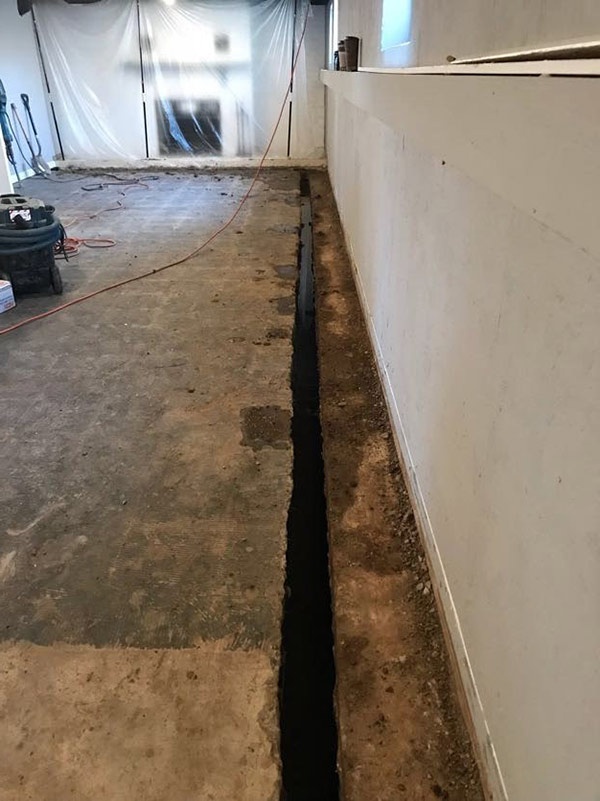
Professional basement waterproofers begin with a thorough inspection and carefully plan the placement of drains and related components. After marking out the area where water typically collects, they remove a narrow strip of flooring along the perimeter of the basement, using tools like jackhammers to create a continuous trench. This trench provides room for laying perforated drain pipes surrounded by gravel, which helps efficiently collect and redirect any water intrusion. Throughout the process, professionals will make sure to minimize dust and disruption, often using protective barriers and vacuums to keep the work area tidy.
Once the drainage pipe is laid in the trench and sloped toward a newly installed sump pit, the system is connected so that any collected water flows directly into the sump pump. After backfilling the trench with gravel, the floor is restored with a fresh layer of concrete, ensuring a smooth and durable finish.
If desired, waterproofers can also install vapor barriers or plastic wall panels to further shield walls from moisture and guide any remaining seepage into the drainage system. The result is a nearly invisible, highly effective waterproofing solution that transforms even the dampest basement into a clean, dry, usable space.
Get Your House Waterproofed In St Louis
At Stratum Structural Systems, we are proud to be St. Louis’s trusted experts for basement waterproofing and foundation repair. Our team combines decades of hands-on experience with a deep commitment to treating every home as if it were our own, delivering lasting solutions for water intrusion, foundation cracks, sump pump needs, and more.
We believe in putting our customers’ needs first, working honestly and efficiently to eliminate stress and confusion while safeguarding your property’s value and safety. Whether you need a comprehensive drainage system, simple crack repairs, or guidance on the best solution for your situation, you can count on us for prompt, reliable service and a legacy of integrity in every project. Contact us today!.