Foundation Repair Explained: Push, Helical, and Concrete Piers
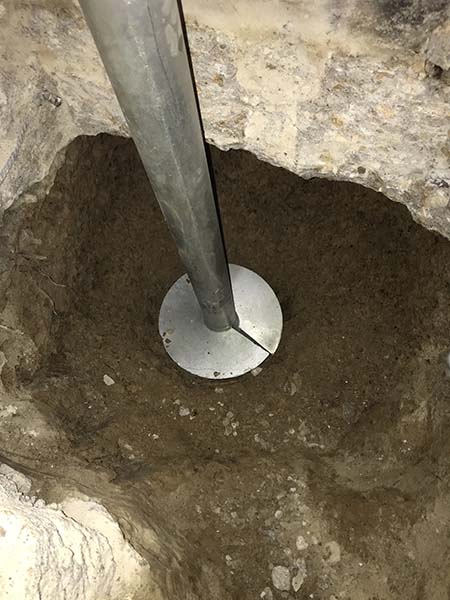
Owning a home in St. Louis comes with its share of seasonal surprises. Sometimes, that includes noticing small cracks or doors that don’t close as well as they used to. These subtle shifts can be signs of a settling foundation. Foundation settling is a common issue in our region due to its mix of clay-rich soil and changing weather patterns. While foundation movement can feel alarming, identifying the problem early makes all the difference in protecting your home’s value and stability. The good news is that several proven repair options exist, each designed to restore strength and prevent further damage. Understanding how and why foundations settle (and the methods used to stabilize them) helps homeowners make confident, informed decisions when it matters most.
Common Repair Method for Foundations: Piering
If your home’s foundation starts to sink or shift, it likely needs extra support. That’s where piering comes in. Also known as underpinning, this technique strengthens the foundation by anchoring it into stable ground beneath the home.
The process involves installing supports called piers deep into stable soil or bedrock beneath the home. Piering transfers the structure’s weight away from weaker, shifting ground.
By reconnecting your home to solid bearing points below the surface, underpinning restores structural stability and prevents further settlement. With piering, you can even help realign doors, windows, and walls affected by movement!
There are three main types of piers used in residential foundation repair:
- Push piers: Hydraulically driven into the ground until they reach load-bearing strata, providing immediate, reliable support for homes on unstable soils. The type of construction could limit the effectiveness of a push pier.
- Helical piers: Twisted into the soil like giant screws, ideal for areas where bedrock is difficult to access or where minimal disruption is desired. Ideal for deep foundations or shallow foundations.
- Concrete piers: Poured into drilled holes reinforced with rebar, offering durable support but typically requiring deeper excavation and more installation time. If excavation is not deep enough, these could be problematic.
Each of these systems has its own advantages and trade-offs. Let’s take a closer look at how each pier type works, where it performs best, and what homeowners should consider when choosing the right solution for their foundation.
Steel Push Piers
Steel push piers are one of the more common solutions for stabilizing a home that has begun to sink or shift due to weak or expanding soils. The installation process is straightforward but highly precise.
Technicians attach heavy-duty steel brackets and the hydraulic drive stand to the foundation’s footing, then hydraulically drive steel pipes into the ground until they reach a solid load-bearing layer, using the counter weight of the home to push the piers into the ground.
Hydraulic pressure drives each pier into the ground with a controlled force. This steady pressure ensures proper depth and resistance, confirming the pier’s ability to support the home’s weight. Once all piers reach the required depth, the home’s load is transferred from the failing footing to the pier system, effectively holding the structure in place.
Steel push piers are known for their strength and reliability. They’re typically installed with a 1:1 safety factor, meaning the system is designed to bear the same load as the weight it supports. This precise balance delivers an efficient, lasting repair without excessive disturbance to landscaping or property.
However, push piers do have some limitations. Shallow foundations such as garage and room additions are not ideal for this solution. They rely on reaching the resistance of firm strata or bedrock. The lower weight of a shallow foundation may not allow the pier to be pushed deep enough. This achievement may also vary by location or soil condition.
In cases where bedrock lies deeper than expected, or where the soil doesn’t provide enough resistance for proper installation, other options might be more effective. Let’s take a look at the next solution option, helical piers.
Helical Piers
Helical piers are a reliable method for stabilizing a settling foundation. They work well in areas where bedrock is hard to reach. Instead of being pushed down by pressure, these piers are screwed into the ground with hydraulic equipment. That’s why helical piers are also sometimes called screw piers.
Their steel shafts have spiral plates that twist into the soil, creating a strong anchor point. This method gives crews precise control and instant feedback when the pier reaches stable soil capable of carrying the home’s weight.
One of the biggest advantages of helical piers is versatility. Since they don’t rely on the counter balance weight of the home or require anchoring in deep bedrock, helical piers can be used in clay soils, softer soils, next to additions, or in tight spaces where other systems may not work.
They’re typically designed with a safety factor of about two times the expected load. That added strength gives homeowners long-term confidence that their foundation will stay stable through changing conditions.
Helical systems are also less disruptive than most other repair methods. They require minimal digging. Therefore, helical piers are ideal around landscaping, and tight-access areas.
Once installed, they can stop movement right away. In many cases, these systems can lift sections of the home back into position!
Compared to other steel systems, helical piers offer more flexibility in challenging soil conditions. Contractors can adapt as they go, ensuring solid support even when bedrock is out of reach. For many homeowners, that combination of reliability, efficiency, and minimal disruption makes helical piering a smart way to protect and stabilize the foundation for years to come.
Concrete Piers
Concrete piers are an older foundation repair method and remain a practical solution in certain situations, especially for older homes or smaller settlement issues.
This approach involves drilling holes beneath the foundation, inserting steel reinforcing bars (rebar) for strength, and filling the holes with concrete to create solid supports. Once the concrete cures, these supports help spread the home’s weight more evenly and prevent further movement. The process requires more excavation and time to harden, so it’s often used when a slower installation schedule is acceptable.
Concrete piers don’t usually reach bedrock or other stable layers. Instead, they depend on the existing soil for support. This limitation can be a drawback in areas with clay soils that expand and contract with moisture. These fluctuations may reduce the effectiveness of these piers.
Concrete piers can still perform well for homes with moderate settlement or for structures where preserving historic building methods matters. They’re sturdy and long-lasting under certain conditions, but they typically don’t include the same long-term warranties as steel pier systems.
For many homeowners, a professional inspection can determine whether concrete piers provide adequate support or if switching to a deeper, steel-based solution would deliver better protection over time.
Comparing Pier Types
Choosing how to repair a settling foundation can be confusing at first. Each system operates differently and suits specific soil types and structural requirements.
Steel systems, which include both push and helical, generally provide the strongest long-term stability. They transfer the home’s weight down to deep, solid ground and can deliver immediate support with minimal disruption. Push systems tend to be more cost-effective, while helical systems offer added flexibility and a higher safety margin, making them a smart choice for soft or variable soils.
Concrete piers often cost more and take longer to install and require more digging. Since concrete piers don’t usually reach bedrock, they’re more affected by changes in the soil and often backed by shorter warranties. Still, they can work well for lighter structures such as decks.
Ultimately, the best solution depends on the home itself. That includes its weight, soil conditions, and the owner’s long-term plans. A qualified foundation specialist can assess these factors and recommend a system designed to keep the structure stable for years to come.
Piers for Foundation Repair In St. Louis
The first step in any foundation repair is a thorough inspection. A qualified specialist will assess the type of foundation, such as poured concrete, block, or stone. They also determine the structure’s weight and the home’s design, such as a full basement, a crawl space, or a slab-on-grade.
These fine details help determine which pier system is best, how many are needed, and where they should be placed to provide the strongest support. Inspectors also determine whether interior or exterior installation is more appropriate based on access and layout.
This careful evaluation ensures the repair plan is built for long-term stability, not a quick fix. Every St. Louis home has unique soil conditions and structural needs, so each solution must be customized. The right piering plan depends on understanding these factors and applying sound engineering to keep the home safe and steady.
At Stratum Structural Systems, our team combines local experience with proven methods designed for St. Louis soils. We explain each option clearly, outline the pros and cons, and build a plan that keeps your foundation secure for years to come. Contact us today for help with your foundation settlement issues!