Shrinking Soil Problems in Drought: What This Means for Your Egress Window Wells
Everywhere you look in St. Louis right now, the signs of drought are hard to miss. Parched lawns, brittle plants, and even the faint cracks in soil are all symptoms of drought. While these visible symptoms in landscapes and crops are evident, many homeowners don’t realize that these same conditions are quietly shifting the ground beneath their homes. As the soil dries and contracts, it can pull away from foundations and destabilize structures, such as egress window wells. These wells are an integral part of your basement’s design, as they’re vital for safety and ventilation. When dry weather takes hold, small soil movements around them can lead to bigger problems, including gaps, water leaks, and compromised emergency exits. Understanding how drought affects your home below ground is the first step in keeping your property secure and structurally sound.
Drought’s Impact on Soil Around Foundation
When the weather stays dry for long stretches, the soil around your home goes through big changes that aren’t always visible. This process is known as soil desiccation or “shrinking soil.”
Desiccation occurs when moisture evaporates from the ground, causing soil particles to pull closer together. In the St. Louis region, our heavy clay soils are especially vulnerable to this.
When clay soil loses water, its particles contract and inevitably crack. This movement creates empty spaces around foundations and basement walls.
As those gaps open, the ground no longer supports your foundation or window wells the way it should. That small separation can cause the structure to settle unevenly, shift, or stress certain areas, especially where egress window wells are installed.
The metal or plastic well walls depend on pressure from the surrounding soil to stay firmly in place. Without that support, they can start to tilt, separate from the foundation, or allow water intrusion when rain finally returns.
With local forecasts calling for drought conditions to persist through the rest of the year in much of the St. Louis area, these challenges aren’t going away soon. That makes right now a great time to learn how dry soil can affect your home, so you can take simple steps to protect your foundation and basement before small problems turn into bigger ones.
Signs of Problems with Egress Windows
With the soil around your home shifting during extended dry spells, it’s a good idea to make regular foundation and egress window inspections part of your home maintenance routine. Catching early signs of stress can save you from costly repairs later. It’ll also help keep your basement safe and dry.
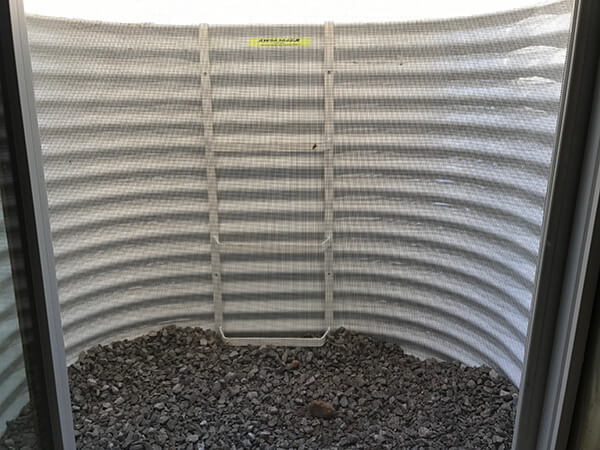
Start by taking a close look at the area around your egress window wells. If you notice visible cracking or sinking around the well frame, the soil beneath it may be losing stability. Gaps forming between the well and your foundation wall are another warning sign that the ground is pulling away.
Take a look inside your window well for signs of poor drainage or water pooling. It doesn’t matter whether there was a heavy downpour or just a little rain. If puddles form, it often means the soil or drainage layer isn’t working the way it should.
You might also find the egress window itself becoming hard to open or close. This problem suggests the frame has shifted from soil movement around the well.
Each of these signs points to the same issue. Your window wells may no longer be properly supported. Addressing these telltale signs early keeps your home’s foundation strong and ensures your egress windows remain a safe, reliable exit in case of emergency. ‘
Shrinking Soil and Structure Support
When soil dries out and shrinks away from your home, it leaves gaps that quietly weaken support around egress window wells. These empty spaces may not seem serious at first, but they can cause wells to tilt, separate, or even collapse.
Wells that have shifted often make windows tough to open, affecting their use as an emergency exit. When the frame is out of alignment, even a small amount of movement can jam the window or make it difficult to operate in an emergency. This slight change greatly reduces your ability to get out quickly if needed.
Drought can also set the stage for leaks. Once rain returns, water may seep through those gaps and erode the foundation.
Water entering through these new openings can damage walls, cause mold, or wash away supporting soil. When water infiltrates egress windows, it poses even bigger issues for your basement and foundation stability.
Tips for Soil Maintenance During A Drought
If you notice signs of egress window problems, contact a professional. However, there are some things you can do if you have concerns about soil shrinkage or want to prevent potential issues with your egress windows.
It helps to keep soil evenly moist around your foundation. Water just enough so the ground doesn’t dry and contract too much. If you spot openings near window wells, gently refill the area to restore support.
Routine inspections matter, too! Look for signs that wells, liners, or anchors have shifted. Clear any debris from drainage channels to help water flow safely away from your home when the weather finally changes.
These small, simple maintenance tasks go a long way toward protecting your home from the effects of drought. By staying proactive and attentive, you can help keep your basement and emergency exits safe, secure, and free from costly surprises.
Repair and Reinforcement Options for Egress Windows
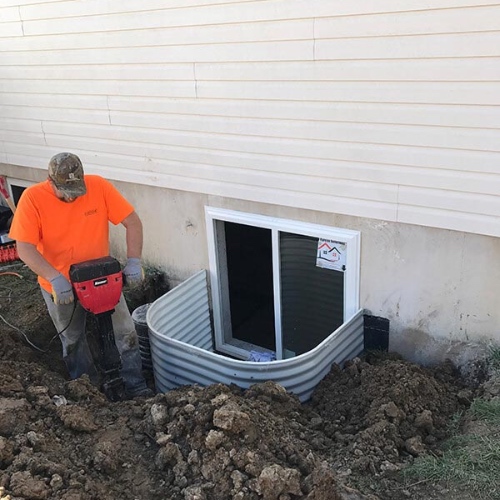
If you notice cracks, separation, or sinking around your egress window wells, it’s best to call a professional before the damage worsens. A trained foundation or waterproofing specialist can inspect both the well and the surrounding soil to identify where support has been lost.
Early evaluation helps prevent minor issues, such as minor shifting or water leaks, from becoming larger problems that threaten your window’s safety and long-term stability.
In many cases, repair may involve releveling or reinstalling the window well to ensure it’s firmly anchored to the foundation wall. Contractors can also reinforce the rim and wall anchors to restore structural strength, especially if the well has started to bow or pull away. This reinforcement not only provides greater stability in dry conditions but also helps the well withstand future soil expansion as the ground begins to rehydrate.
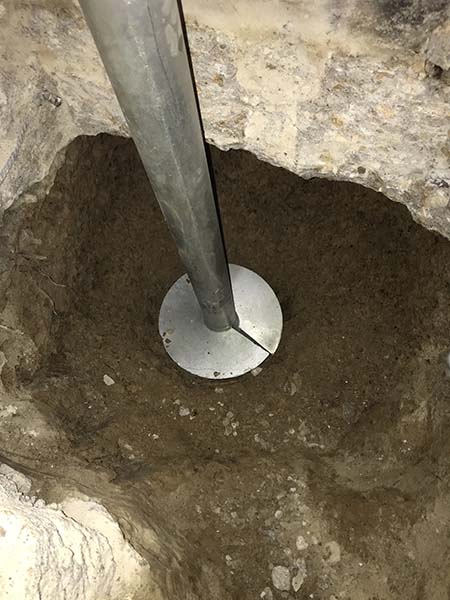
In more serious cases, such as when large soil gaps form beneath the well, professionals may suggest soil injection or compaction grouting. These repair methods fill voids under the window well to restore solid support and help protect your foundation from shifting.
While these repairs sound extensive, they can make a long-term difference in protecting your basement from water intrusion and ensuring your egress windows remain dependable and safe for years ahead.
Address Window Well Issues Before Rehydration
When rain finally returns after a drought, the soil around your foundation expands as it absorbs moisture again. If your window wells have already shifted or lost support, the expanding soil can push unevenly against weakened areas. Swelling soil can create cracks or cause the wells to warp.
Gaps that formed during dry weather quickly become entry points for water once the ground rehydrates. Their presence leads to leaking, flooding, or pressure damage along basement walls.
By addressing any window well issues before the rains arrive, you’re giving your home a stable foundation to handle those rapid shifts in soil moisture. Reinforcing wells, sealing gaps, and restoring proper drainage ensure your egress windows remain watertight and secure no matter how the weather turns. A little attention now can save homeowners from costly repairs later!
Egress Window Repair and Installation In St. Louis
Egress window repair and installation in St. Louis requires more than basic construction know-how. It takes an understanding of how our region’s unique soil and weather patterns affect your home over time.
With heavy clay soil that expands and contracts through cycles of drought and rainfall, proper installation and maintenance are essential to prevent shifting, leaks, and long-term foundation stress. That’s why it’s important to trust experienced professionals who know how to build with these local conditions in mind.
At Stratum Structural Systems, our team specializes in protecting St. Louis homes from the ground up. We combine technical expertise with durable solutions tailored to the area’s challenges, ensuring your egress windows stay safe, secure, and built to last through every season. Contact us today!