Property Considerations After Late-Summer Drought Going Into Winter Freeze Cycles
Being a responsible property owner often comes down to staying one step ahead with seasonal maintenance, especially as winter approaches. In St. Louis, that’s easier said than done, especially this year. Our unique mix of late-summer droughts, sudden fall rains, and unpredictable freeze–thaw cycles can make protecting your home and yard a real challenge. These conditions can shift soils around your foundation and create risks for drainage systems, hard surfaces, and outdoor structures. As we ease into the autumn season, there are some considerations to make for your property. From proactive landscaping to proper drainage to foundation checks, here’s everything you should think about to ensure a safe winter season, especially after a drought.
Stay On Top of Landscaping
Sure, landscaping care will make your yard look beautiful. However, there is a practical and functional reason for staying on top of your landscaping.
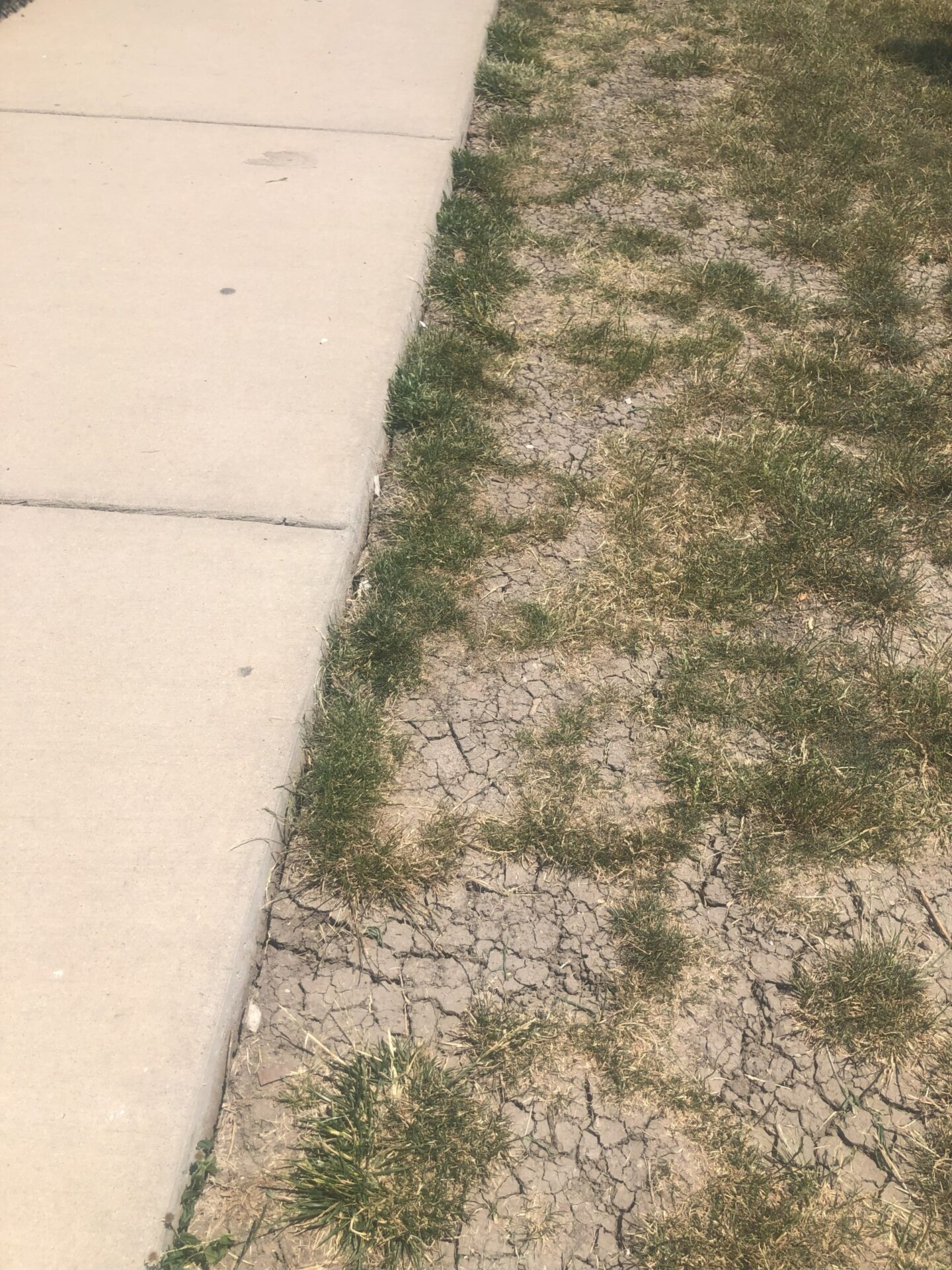
Your lawn and planting beds act as a buffer around the foundation, helping to regulate how water moves through the soil. When these areas are stressed from drought, the soil can shrink, harden, or crack.
Prolonged drought conditions can cause gaps along the foundation where water can collect when it does rain. These gaps open the door for property damage once rain enters the picture or when winter’s freeze–thaw cycles begin.
The extended drought in St. Louis this year has made these soil issues even more pressing. Dry, compacted ground doesn’t absorb water effectively. So, when rains return in the fall, runoff can pool near the home instead of soaking evenly into the soil.
Once freezing temperatures arrive, that excess moisture expands beneath the surface. As the water freezes, it hardens, creating pressure that can worsen cracks or shifts in your foundation.
To mitigate these risks, fall is the ideal time to restore balance to the landscape. Reseeding or overseeding helps thicken turf, which stabilizes the soil and encourages even water absorption.
Deep watering and fall fertilization strengthen root systems, enabling them to support the soil structure during winter stress. Mulching beds and adding cover around trees and shrubs also help retain soil moisture and limit seasonal drying that can aggravate foundation movement.
By treating your lawn and landscaping as part of your home’s protection system, you’re preparing your yard to withstand harsh weather. However, you’re also taking important steps to shield your foundation and basement from costly long-term damage.
Sufficient Drainage and Soil Grading
One of the biggest threats to your home isn’t always visible. It’s how water moves and settles around your property.
After a season of drought, the soil can shrink and separate. As we mentioned, this creates hidden gaps that change the way rainwater is absorbed and directed.
Proper grading and functional drains work together to protect your foundation. Sloped soil should guide water away from the house, while downspouts and drains move excess moisture to safe discharge points.
After a dry summer like the one St. Louis just experienced, soil often shrinks and pulls away from the foundation, reducing its ability to channel water. This makes sudden rains and freeze–thaw cycles far more damaging, as weakened ground struggles to maintain integrity under the added stress.
If grading or drainage is compromised, the risks multiply. When water drains back toward the house, it gathers along the foundation walls. In winter, it freezes and thaws, widening cracks and pushing its way inside. Even tiny gaps left from summer drought can become easy entry points for leaks.
That’s why the fall season is a critical time to inspect and address drainage infrastructure. Check that French drains, downspout extensions, and sump pumps are working properly to keep water moving away from your home.
If drought has caused the soil to pull away from the foundation, repacking or adding topsoil can restore proper grading and redirect water. Even small fixes, such as extending gutter downspouts farther from the house, can significantly reduce the risk of pooling and seepage.
Another key factor is how you manage exposed soil and groundcover. Bare soil left after drought is more prone to erosion during rain, which then accelerates uneven settling during freeze–thaw periods.
Applying mulch, reseeding turf, or adding other vegetation helps anchor the soil, retain moisture, and regulate how water flows across your property. By taking these proactive measures in the fall, you create a protective buffer around your home that not only mitigates drought’s lingering effects but also strengthens your property against winter’s harsh cycle of freezing and thawing.
Inspect the Foundation
Your foundation is one of the areas most vulnerable to the impacts of summer drought, followed by winter’s freeze–thaw cycles. As we mentioned, soils dry out and shrink during extended heat.
Even stable structures can shift slightly, leading to small cracks forming along foundations, patios, or sidewalks. These cracks may seem harmless in the fall, but once water seeps in and later freezes, the expansion can turn minor issues into costly structural damage.
Taking time in early fall to thoroughly inspect your foundation is essential. Look for hairline cracks along foundation walls, basement floors, and adjoining slabs.
Even small gaps should be sealed before cold weather arrives to keep water from seeping in and expanding as it freezes. This preventative measure includes joints in patios, driveways, and sidewalks, which can otherwise channel water straight toward your foundation.
It’s also important to consider how basement waterproofing systems may react to changing conditions. During drought, the water table often drops, which can take pressure off basement walls and mask potential leaks.
However, when heavy fall rains return, the sudden rise in groundwater can overwhelm sump pumps and drains that haven’t been inspected or maintained. Ensuring these systems are functioning properly gives an extra layer of protection against water intrusion and foundation stress as the seasons shift.
By addressing foundation vulnerabilities now, you create a buffer against winter’s heaviest challenges. Taking a proactive approach against moisture, freezing, and expansion safeguards both your structure and your peace of mind.
Check Roofing and Clean Gutters
Your roof and gutter system play a critical role in managing water around your property, especially as you move from fall into winter. Cleaning gutters and downspouts ensures they’re ready to handle seasonal rains and falling leaves without clogging, which could cause water to back up onto the roofline or spill directly near your foundation.
Keeping these paths clear also helps prevent ice dams from forming once freezing temperatures arrive. Ice dams can lead to costly roof leaks and interior water damage.
In addition to clearing debris, check the roof for signs of settling or shifting from the summer drought. Gaps around shingles, flashing, or seams may have formed. Remember, even small weak spots can let water in during storms, leading to more serious freeze–thaw damage later.
Soil Grading and Foundation Inspection In St. Louis
Regular soil grading and foundation inspections are essential for protecting your home in a climate like St. Louis, where weather extremes take a heavy toll on property. By keeping your grading in check and identifying small foundation issues early, you can prevent costly damage and protect your basement from flooding. This kind of proactive care ensures that your home is secure before winter’s harshest conditions set in.
At Stratum Structural Systems, our team specializes in foundation assessments and drainage solutions tailored to St. Louis’ unique soil and weather patterns. We can spot problems caused by drought stress, restore proper grading, and make sure your foundation is ready to handle the challenges of the coming season.
If you’ve noticed cracks, uneven settling, or gaps around your home, now is the time to act. Contact Stratum today to schedule your inspection and let us help you safeguard your home against future damage.