How to Spot the Warning Signs of Water Intrusion in Your Home
Water intrusion occurs when unwanted moisture enters your home, typically starting in the basement or foundation. While small things, like a damp spot on the wall or a musty smell, may seem harmless at first, these early signs can quickly escalate into bigger problems. Left unchecked, water intrusion can weaken your home’s structure, create the perfect environment for mold, and lower indoor air quality. The good news is that spotting the warning signs early gives you the opportunity to act quickly. Protect your investment and maintain a safe home by learning how to spot water intrusion.
Visible Signs of Moisture In Basement
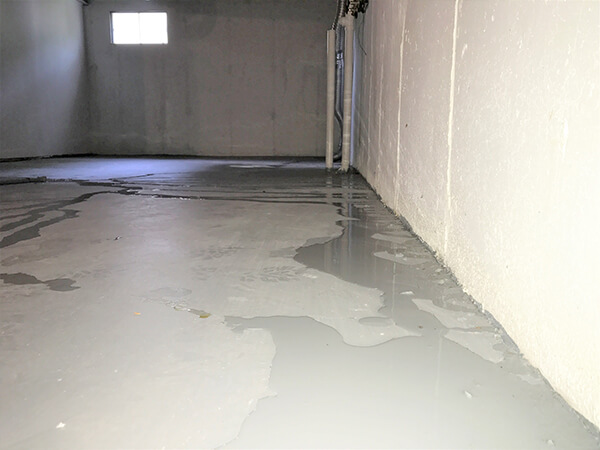
One of the most common and easily noticed indicators of moisture in a basement is the presence of water stains, puddles, or damp spots along the floors and walls. These marks often suggest that water is seeping through cracks, foundations, or floor joints.
Moisture spots may become more pronounced after a heavy rain. While an occasional damp patch might seem minor, consistent moisture in these areas usually points to an underlying issue with drainage, waterproofing, or humidity levels. These problems should be addressed before they worsen.
Another clear sign to watch for is efflorescence. This substance appears as a white, powdery residue on concrete or masonry surfaces. It’s a buildup caused when water evaporates, leaving behind salts that were carried through the wall materials. Efflorescence itself isn’t harmful, but it serves as a visible reminder that water is moving through the basement structure.
In finished basements, the indicators of moisture often appear slightly different, but they are still easy to spot when you know what to look for. Wet or musty-smelling carpets, drywall that shows dark staining or bubbling, or even rust forming at the bottoms of appliances and metal supports all point toward excess moisture.
Hidden Clues in the Environment
Sometimes, the early warnings of basement moisture aren’t something you see, but rather what you sense in the environment. A persistent musty odor, for instance, can be a powerful hidden clue.
That musty smell is usually caused by mold and mildew releasing gases as they grow in dark, damp areas. Even if no visible patches are present, the earthy scent is often the first sign of excess moisture.
Take this aroma as an early warning that mold spores may be thriving. Investigate the root cause of this smell before the problem spreads.
Beyond what you smell, you may also feel or notice subtle signs of excess humidity in the space. Condensation forming on windows, along walls, or on exposed pipes are clear indicators that the air in the basement is too damp.
While a thin layer of water droplets may seem harmless, it suggests persistent humidity levels that are high enough to support mold growth or gradually damage building materials. Paying attention to these small signals not only helps catch moisture issues early but also allows you to create a healthier and more comfortable environment in your home.
Structural Red Flags for Basement Water Intrusion
The condition of your foundation often tells an important part of your basement water problems. Small hairline cracks are fairly common as concrete naturally settles over time. In many cases, they aren’t cause for alarm.
However, recognizing the difference between these minor blemishes and more concerning cracks is key to protecting your home. Vertical, horizontal, or stair-step patterns in the foundation can signal deeper issues that go beyond normal settling. These are serious warning signs of intrusive water or pressure against the foundation walls.
Horizontal or widening cracks should be taken seriously. They often result from soil expansion, soil erosion which can cause a shifting foundation. These issues allow water to seep in and can also weaken the structure’s stability.
Alongside visible cracks, homeowners may notice related symptoms such as uneven or sloping floors, doors, and windows that suddenly stick, or gaps forming between walls and ceilings. These red flags suggest that water is weakening the home’s structural integrity, making professional evaluation especially important.
What Happens If I Ignore Water In the Basement?
Ignoring water in the basement may seem like a small gamble at first, but even minor moisture issues can escalate quickly. Mold and mildew can begin to grow within just 24-48 hours, spreading silently behind walls, under flooring, and into furnishings.
As they release spores and allergens, the air quality throughout your home declines. Therefore, the impact of mold growth isn’t contained to the basement alone! Over time, this can pose real health concerns for you and your family, especially for those with asthma, allergies, or weakened immune systems.
Beyond the health risks, untreated water intrusion can quietly erode the value and stability of your home. Prolonged moisture weakens building materials, warps wood, corrodes metal, and puts added strain on your foundation.
These structural concerns not only compromise the safety of your living space but can also make the property far less appealing to future buyers. In the long run, what might begin as a small damp spot could lead to expensive repairs and a noticeable drop in property value, underscoring the importance of addressing basement water issues promptly.
What to Do If You Suspect Water Intrusion In Your St. Louis Basement
If you suspect water intrusion in your St. Louis basement, the first step is to stay proactive with regular checks of both your basement and the surrounding drainage systems. Look closely for any new cracks, damp spots, or leaks, and make sure gutters and downspouts are working properly to direct water away from your foundation.
Inside the home, taking measures such as running a dehumidifier or using an air purifier can help reduce excess humidity while improving indoor air quality.
Still, while these actions can provide temporary relief, lasting protection requires addressing the root cause of the problem. That’s why reaching out to a licensed professional is so important. They can evaluate your home’s foundation, identify the root cause of the water intrusion, and recommend a proven solution tailored to your situation.
Our team at Stratum Structural Systems is here to help St. Louis homeowners protect both their homes and families by providing trusted expertise and long-term solutions for basement water issues. Contact us today!