Drainage System Types for Waterproofing Basement Solutions
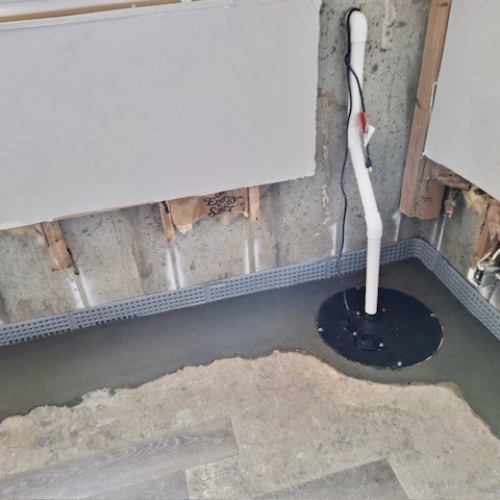
Water in the basement is one of the most stressful problems a homeowner can face. With so many opinions available, it’s easy to feel overwhelmed and unsure where to begin. A good starting point is knowing that no waterproofing system is complete without proper drainage. Drainage protects your basement from hydrostatic pressure, standing water, and long-term damage by safely directing water away from your home. From interior drainage systems and sump pumps to exterior solutions like French drains and footing drains, there are several ways to stay protected. We’ll break each system down clearly so you can find the right drainage solutions for your St. Louis home.
Interior Drainage Systems for St. Louis Homes
Basement and crawlspace leaks often begin where the wall meets the floor. This is a common weak spot for St. Louis homes, especially when dealing with heavy rain and clay-packed soil. Groundwater builds up under and around the foundation and pushes against it, a force known as hydrostatic pressure. The constant push and pull of concrete shrinking and expanding from rain eventually finds its way inside. Left unresolved, this can lead to persistent dampness, mold growth, and even structural damage. A properly installed drainage system directs that water into a sump pump, relieving the pressure and helping keep the basement safe and dry. Here are the types of interior drainage systems.
Perimeter Drains
When basement water problems persist despite quick fixes, it’s often a sign that a more comprehensive interior drainage solution may be needed.
That’s where a perimeter drain stands out. For persistent seepage, expanding water stains, or concerns about mold and structural stress, a perimeter drain is often the stronger, longer-term choice compared to other interior methods.
This sub basement slab system goes beyond surface-level options, such as a baseboard drainage system, by directly addressing the water that accumulates under the floor and along the foundation walls. By relieving this underground pressure, perimeter drains provide reliable protection in situations where cheaper systems may fall short.
The installation itself is straightforward but effective. A section of the floor is removed and a trench is dug along the inside edge of the footing, where the drain is placed to capture seepage before it spreads. The system then takes the underground water to a sump pit where a pump moves the water out and safely away from the house. The concrete is repoured and then the area should be broom swept with all debris removed from the job site.
While the process does involve removing sections of the floor, homeowners often find the tradeoff worthwhile. This system works well in both finished and unfinished basements, and can be placed out of sight.
Baseboard
When water starts seeping into your basement along the walls, it’s natural to want a solution that won’t require tearing up your floor. One option some homeowners choose is a baseboard drainage system.
Baseboard drainage systems work by using channels glued to the bottom of the basement walls that collect water and guide it to a sump basin. Since installation does not require removing the concrete floor, the process is quicker and less disruptive. This makes baseboard drainage systems a practical option for homeowners who want a simpler fix without major construction.
That said, this type of system has its limits. While it can manage surface seepage at the wall-floor joint, it does not relieve the hydrostatic pressure that builds beneath the foundation. It can also allow for standing water, which is a precursor to mold.
As a result of not relieving the hydrostatic pressure, water can remain trapped under the slab. Left unaddressed, this pooled water can lead to structural damage or mold growth over time. For homes in areas with significant groundwater pressure, a more comprehensive drainage system should be considered as the safer long-term solution.
Sump Pumps
A sump pump is the core of most interior drainage systems, working to move collected water out and away from your home. After water is captured by a perimeter drain or baseboard system, it flows into a sump pit where the pump automatically activates and pushes it to a safe location outside.
Sump pumps not only keep the basement dry but also reduce the pressure that standing water places on the foundation. Without a dependable sump pump, even the best drainage system may struggle during heavy seepage or flooding from St. Louis storms.
Due to the crucial role that sump pumps play in basement and home health, regular upkeep is essential. Homeowners should test the pump at least once or twice a year, clear debris from the pit, and check that the discharge line flows properly. Discharge lines can be prone to freezing during the winter which may cause a problem with the sump pump motor. It’s crucial to test sump pumps to ensure they are in working order.
Since power often goes out during storms, many families also install a battery back up system or a back up power inverter. With maintenance and backup protection, a sump pump offers reliable defense against basement flooding.
Exterior Drainage Systems for St. Louis
Heavy rains and poor soil drainage can put tremendous stress on a home’s foundation, especially in areas like St. Louis, where clay soils hold onto water. When excessive moisture accumulates around the outside of a basement, it creates pressure that can lead to leaks, cracks, or even structural damage. That’s why one of the most effective strategies is to stop water before it ever reaches the foundation walls. With the right exterior drainage system in place, homeowners can create a strong first line of defense and protect their basements for the long term.
Surface Drainage
Surface drainage systems are often the first line of defense in protecting your home from water-related problems. Their purpose is to keep rainwater from collecting near the foundation.
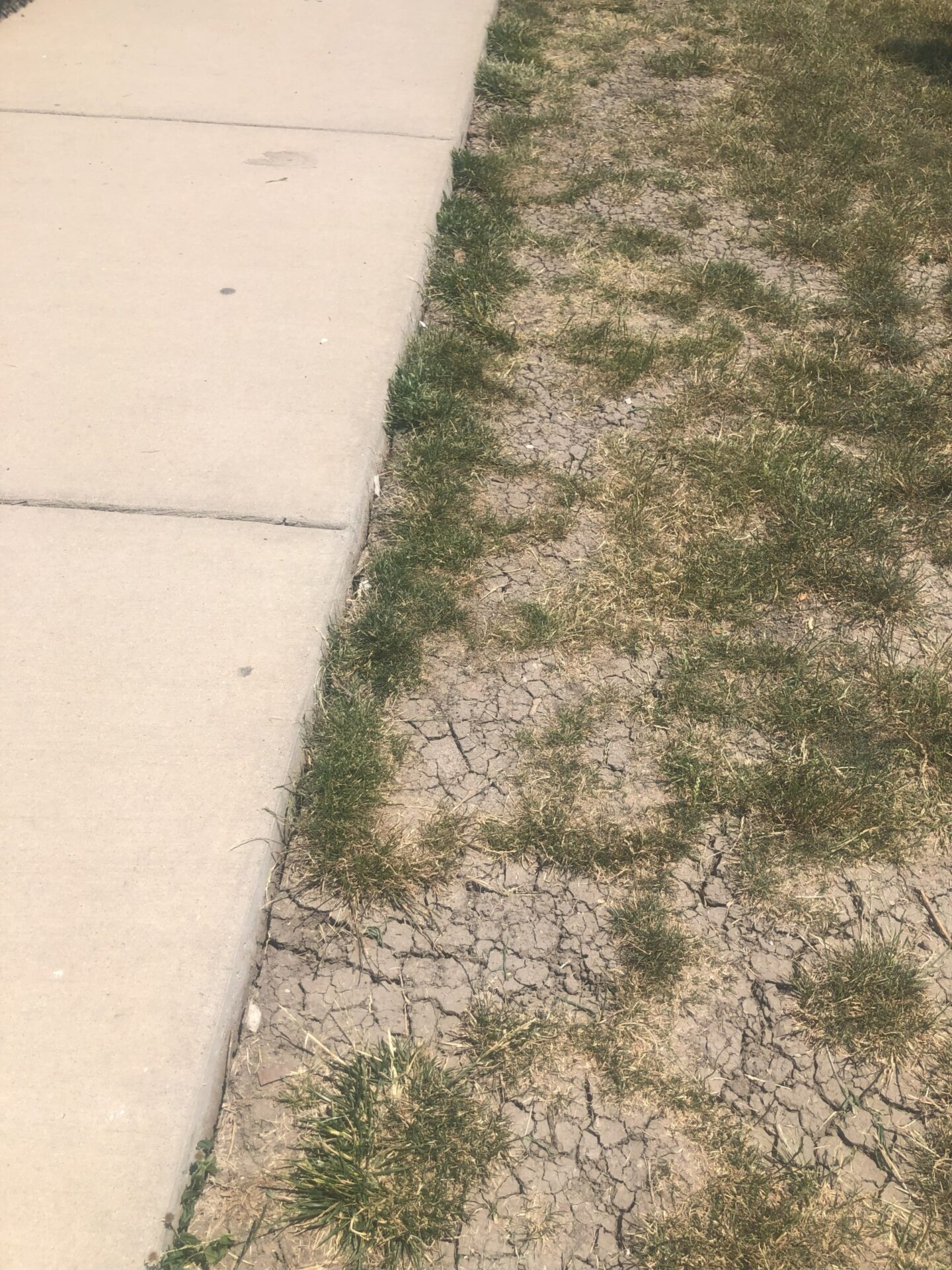
Common methods include grading the soil so it slopes away from the house and adding gutter extensions or downspouts to carry water farther out. By moving runoff before it settles against basement walls, these measures reduce the amount of moisture your foundation faces during a storm.
You might consider surface drainage if you see water pooling near your home after rainfall or if gutters spill water too close to the foundation. Gutter extensions are an easy, cost-effective fix that many homeowners can handle on their own.
For bigger issues, professional grading ensures your yard directs water away properly. These methods are most effective for homes dealing with surface runoff rather than high groundwater pressure.
Still, surface drainage has its limits. In areas like St. Louis with clay-rich soils, seepage and hydrostatic pressure under the foundation are common.
Therefore, interior or exterior drainage systems may still be needed. Even so, surface drainage remains a valuable first defense and can extend the life of more advanced waterproofing solutions with minimal upkeep.
French Drains
Water pooling around your foundation puts constant pressure on basement walls and can quickly lead to leaks or cracks. A French drain offers an effective way to relieve that pressure by capturing groundwater in a gravel-filled trench and directing it safely away from your home.
This method gives water an easy path to follow by using a trench filled with gravel and a perforated pipe placed at the bottom. As groundwater or rain runoff collects in the soil, it naturally flows into the gravel and through the pipe, which then redirects the water to a safe discharge point away from the home. By channeling water underground in this controlled way, the system effectively reduces pressure against basement walls and prevents moisture from finding its way inside.
This system is especially valuable in areas with clay-heavy soils or frequent rainfall, like St. Louis, where poor natural drainage is a common challenge. While installation can disturb landscaping, the long-lasting protection it provides often makes it well worth the effort.
Gutters and Downspouts
Gutters always need to be kept free of debris and functioning properly. If gutters are not sloped properly or are damaged due to falling tree limbs, water will not flow away from the house. This can lead to major structural problems in the future. Additionally, the gutter downspouts should be extended a minimum of 6’-10’ away from the house and allow water to flow down hill. Let gravity be your friend! By extending the downspouts, homeowners can potentially save thousands of dollars in future foundation repairs.
Supplemental Drainage Solutions
Sometimes keeping a basement dry takes more than traditional drainage systems. Supplemental options, such as dry wells, provide extra protection by collecting and dispersing excess water underground when surface drainage is insufficient.
They are often used when downspouts release more water than the soil can absorb or when a property lacks proper grading. While highly effective, dry wells require enough outdoor space for installation and routine maintenance to avoid clogging.
Another option is a drainage swale. This is a shallow, landscaped channel that guides large volumes of water away from the home.
Swales work especially well on sloped yards or properties with heavy runoff. They provide water with a controlled path instead of allowing it to pool near the foundation. Since they blend into the landscape, swales offer a functional yet discreet solution.
Neither dry wells nor swales act as complete waterproofing systems. However, they provide important support and can extend the effectiveness of larger drainage strategies.
Comparing Interior vs. Exterior Systems: What’s the Deal?
When considering how to keep a basement dry, both interior drainage systems and exterior systems offer unique benefits. Interior options are generally more affordable and far less invasive, making them a popular retrofit for existing homes.
They work well for managing seepage by capturing water that has already entered and directing it to a sump pump for removal. The tradeoff, however, is that interior systems don’t stop water from reaching the foundation in the first place. They simply manage it after it gets inside.
Exterior drainage systems take a more preventative approach by intercepting water before it can press against basement walls. These solutions offer long-term protection and can even safeguard the structural integrity of the foundation itself. The downside to exterior drainage systems is the cost and disruption of installation, which requires excavation around the home.
For many St. Louis households, the most effective strategy is a layered defense that combines both types. Homeowners invest in interior systems to manage water intrusion and exterior systems to prevent it, to ensure maximum protection against basement flooding.
Drainage System Installation In St. Louis
At Stratum Structural Systems, we understand how stressful basement water problems can be, which is why we specialize in designing and installing reliable drainage solutions tailored to St. Louis homes. Our team has years of experience working with the unique challenges of local clay soil, heavy rain, and shifting foundations.
Whether you need an interior drain system, exterior protection, or a combination of both, we provide expert installation and lasting results. With Stratum, you’ll have peace of mind knowing your home is protected by trusted professionals who care about keeping your basement dry and your foundation strong. Contact us today!